Table of Contents
Quick Answer
In today’s screen-heavy world, engaging iPad kids with nonfiction books might seem challenging. However, nonfiction cleverly combines real-life stories with captivating narratives, serving as a bridge between digital content and traditional reading. Nonfiction books captivate digital natives by offering compelling, easy-to-read content that enriches their knowledge while keeping them entertained. Transitioning from digital content to books can spark curiosity and exploration in young minds, making it an exciting adventure.
Why Choose Nonfiction Books for iPad Kids?
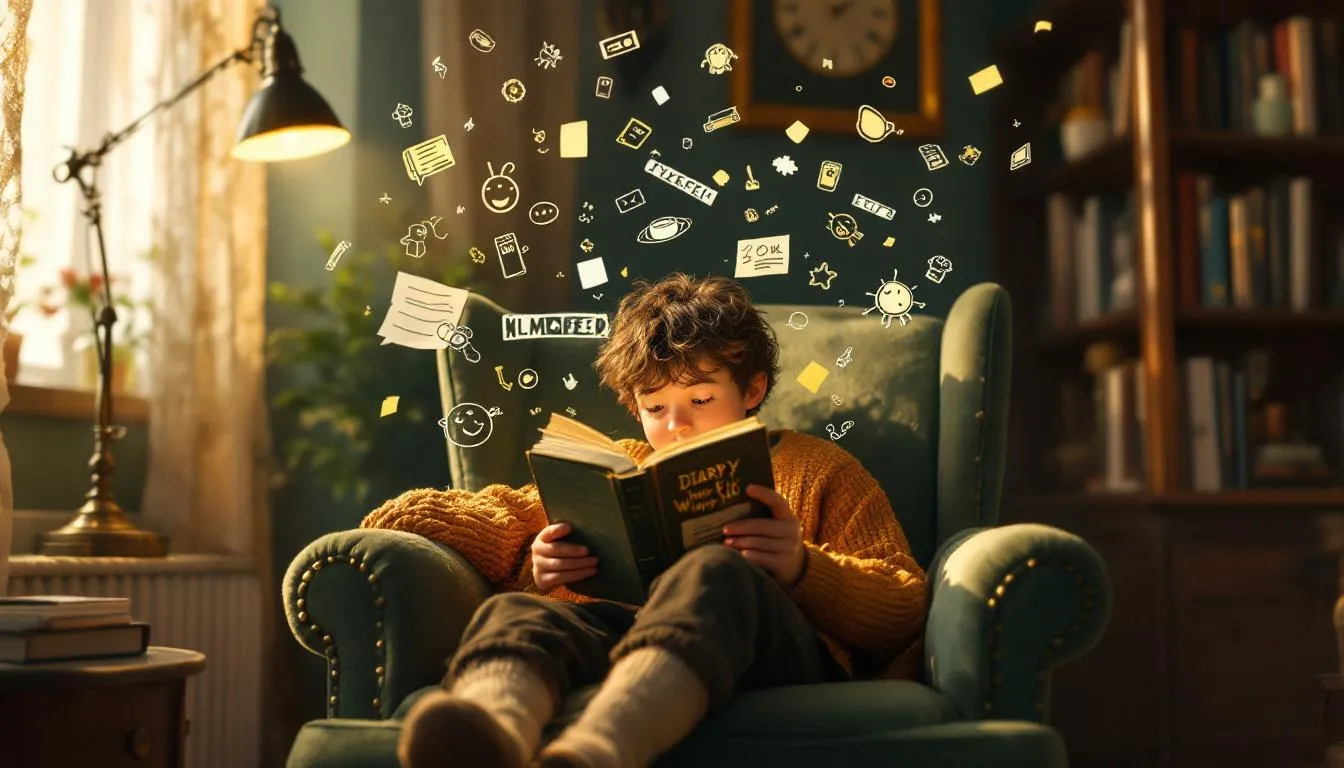
Having my own tech-savvy youngster has taught me a lot about keeping them engaged beyond screens. Nonfiction books magically draw in digital natives because they reflect the world they see on their devices in a tactile way.
First, nonfiction books hold real-world relevance. Kids today are curious and love seeing how the facts they read about relate to their world. Whether learning about natural wonders or the human body, nonfiction brings concepts to life, encouraging exploration with newfound interest. For older children and parents interested in continuous learning about science and technology, resources like Popular Science and Popular Mechanics can be excellent bridges from digital curiosity to deeper exploration.
Visuals also play a crucial role. Like eye-catching apps and games, nonfiction books often feature vivid illustrations and photographs that capture attention, inviting children to delve deeper with enthusiasm. For excellent visual content, consider DK Eyewitness Books, known for their stunning images.
Nonfiction books are approachable, using simple, engaging language to make complex topics accessible. Instead of jargon, they offer straightforward, fun explanations that simplify learning.
For those with shorter attention spans, nonfiction books often break information into short, digestible chapters. This format allows young readers to absorb knowledge without feeling overwhelmed, making it easy to pick up where they left off.
As we encourage traditional reading habits, gentle transitions make moving from screens to pages seamless and exciting for young explorers.
How to Transition from Digital Content to Books?
When I decided to coax my tech-loving child from the iPad to books, I discovered strategies that made the transition smoother than expected. Here’s what worked for us and might work for you too.
- Start Small: Begin with books that align with their digital interests. If they’re into space-themed games, find a nonfiction book about the solar system. This creates a natural bridge from digital curiosity to literary exploration.
- Interactive Reading Sessions: Make reading a shared adventure. Sit together, explore the pages, ask questions, and discuss the content. Turn it into a game by finding fun facts or creating a quiz to keep them engaged.
- Parental Support: Be a reading role model. Let your child see you enjoying a book and share what you’re learning. When kids see parents valuing reading, they’re more likely to follow suit. For parents seeking specific support, especially if your child faces reading challenges, resources like Reading Strategies for Kids with Dyslexia can provide valuable guidance.
- Set Reading Goals: Create a reading chart with achievable targets, like reading one chapter daily or finishing a book in a week. Reward them with a sticker or fun activity for meeting goals.
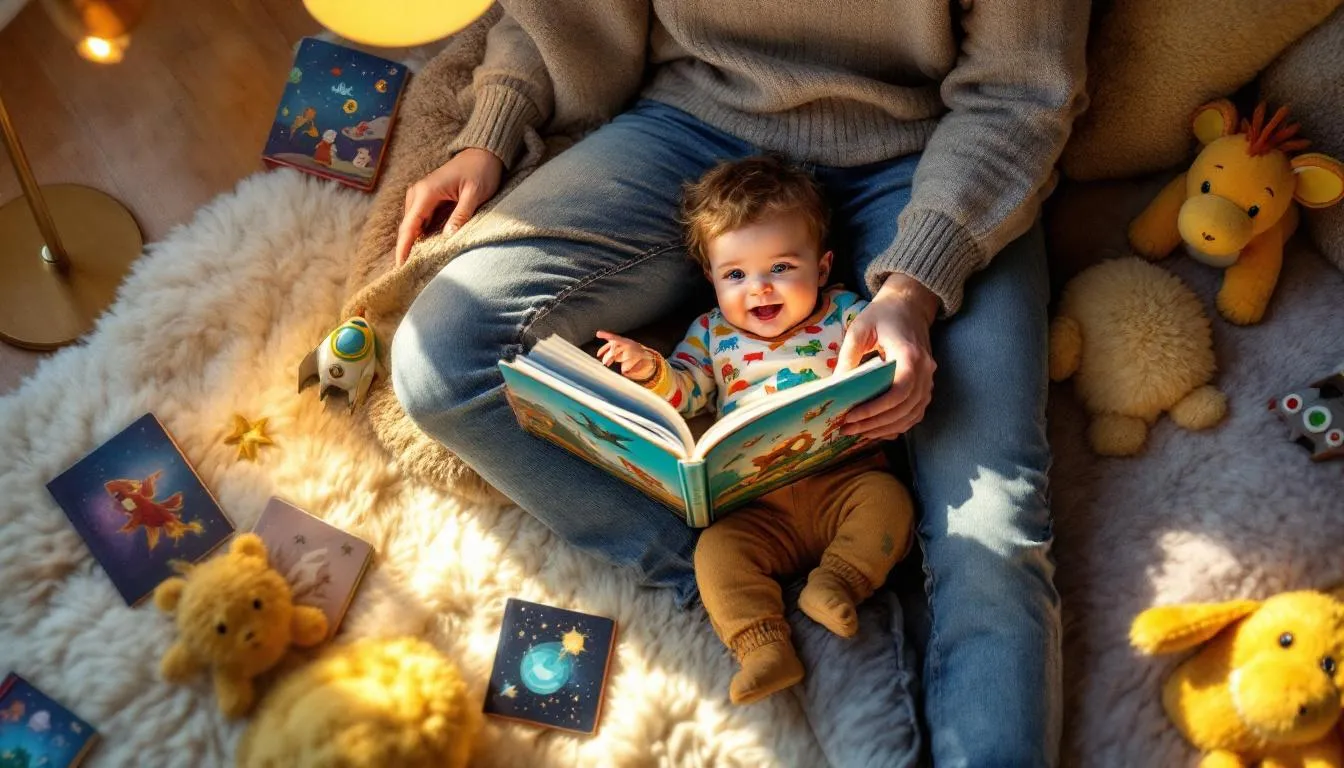
- Create a Cozy Nook: Designate a special reading spot with comfy cushions and good lighting. An inviting environment encourages more time spent with books.
Focusing on enjoyment and keeping the process pressure-free helps nurture their interest in books. Speaking of engaging experiences, audiobooks present another format to captivate young listeners.
Are Audiobooks a Good Alternative?
Imagine a family road trip, restless kids in the backseat, and needing something engaging beyond a screen. Audiobooks are a fantastic alternative to traditional reading, especially for young digital enthusiasts.
Audiobooks offer numerous benefits, making them valuable in a child’s learning toolkit:
- Enhanced Listening Skills: Audiobooks improve a child’s listening ability. They follow narratives and understand complex ideas just by listening, a vital skill in academics and real-world settings.
- Multisensory Learning Experience: Engaging with audiobooks allows children to absorb information both visually and audibly. This multisensory approach enhances comprehension and retention, making learning more effective and enjoyable.
To integrate audiobooks effectively, consider these tips:
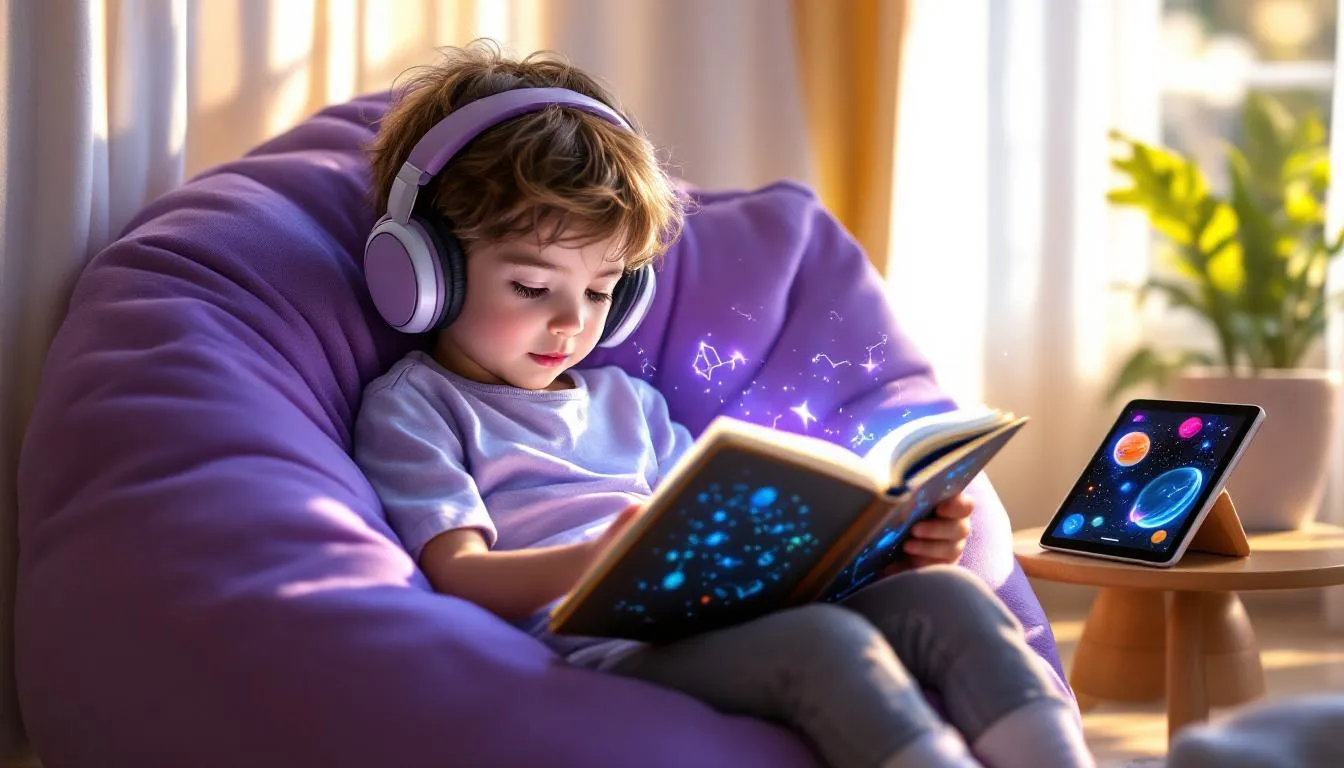
- Pairing with Text for Dual Learning: Encourage kids to follow along in a physical book while listening to the audiobook. This dual approach reinforces word recognition and improves reading fluency.
- Using Audiobooks During Travel or Downtime: Long car rides or quiet afternoons offer perfect opportunities for audiobooks. They keep kids entertained and learning without a screen.
My child loves listening to stories during our commute. It’s become a shared experience where we discuss the story and characters, making it a delightful part of our routine. If you’re curious about which audiobooks or books might appeal to your young reader, consider these recommendations.
Recommended Nonfiction Books for Kids
Engaging young readers with nonfiction involves finding titles that impart knowledge while captivating imaginations. Here are some recommendations and tips for selecting the right ones for your iPad-loving child.
- Books with Strong Storytelling: Look for nonfiction that weaves facts into compelling narratives. “The Boy Who Harnessed the Wind” by William Kamkwamba is an inspiring story about a young inventor in Malawi, perfect for kids who love adventure.
- Vibrant Illustrations: Choose books filled with colorful images. “National Geographic Kids: Everything Space” is a fantastic choice, packed with stunning photos and infographics that spark curiosity about the universe.
- Selecting Age-Appropriate Content: Choose books matching your child’s comprehension level. For younger readers, “The Magic School Bus” series offers a blend of storytelling and educational content that’s easy to digest. Introduce more complex themes as they grow.
- Understanding Reading Levels: Pay attention to the book’s suggested reading level, such as a Lexile measure or age range. This ensures content is neither too simple nor too challenging, making the reading experience enjoyable.
- Matching Interests with Themes: Observe what excites your child and find books that align with those interests. If your kid loves animals, “Owen & Mzee: The True Story of a Remarkable Friendship” blends wildlife facts with a touching narrative.
Choosing the right nonfiction books can transform reading from a chore into a delightful journey for iPad kids. As you explore these options, remember the goal is to create an enjoyable and enriching experience that fosters a lifelong love for reading.
Key Takeaways
- Nonfiction books engage digital natives by connecting real-world topics to their digital experiences.
- Gradual transitions from screens to books can be achieved through relatable content and interactive reading sessions.
- Audiobooks offer a valuable alternative, enhancing listening skills and providing a multisensory learning experience.
- Choose books that match your child’s interests and reading level to ensure a captivating and educational experience.
Embrace the journey of nurturing a love for reading in your child, and watch them grow into curious, lifelong learners.