Table of Contents
Quick Answer
Donating children’s books and toys is a meaningful way to declutter your home while spreading joy to other families. Local donation options include community centers, schools, and libraries, which can use these items to support their programs and the families they serve. To donate kids’ books and toys locally, reach out to these organizations, as they often welcome such generous contributions.
Reflecting on the positive impact of these donations can inspire us to consider the broader benefits, not just for the recipients, but also for our families and communities.
What Are the Benefits of Donating Kids’ Items?
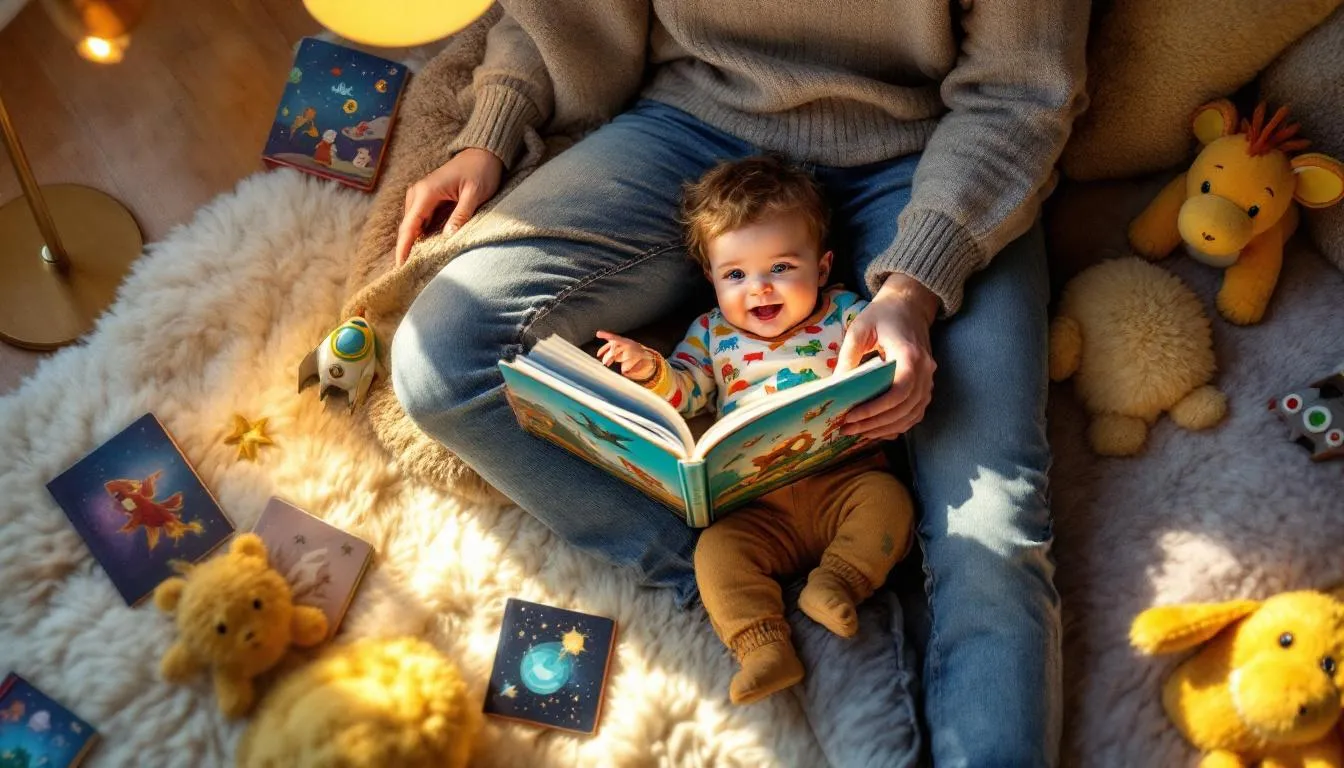
Donating kids’ items like books and toys can be incredibly rewarding for both recipients and givers. Imagine the magic when a child picks up a book you once cherished or when a toy gathering dust in your attic becomes a little one’s new favorite.
Encouraging Literacy and Play
Books are gateways to imagination, and toys are tools for creativity. By donating these items, you’re opening doors for children to explore new worlds and develop skills. I remember donating my children’s old books to a local library. A few weeks later, I saw a child eagerly flipping through a book, eyes wide with wonder. It was a heartwarming reminder of how such a simple act can spark curiosity and a love for reading.
Supporting Child Development
Toys aren’t just for fun; they’re essential for development. A simple puzzle can enhance problem-solving skills, while a set of building blocks might inspire the next great architect. By donating, you’re contributing to a child’s growth and learning journey, offering tools that stimulate minds and encourage learning through play.
Strengthening Community Bonds
When we donate, we’re not just giving items; we’re building connections. Local communities thrive on the generosity of their members. I once participated in a community toy drive, and the sense of togetherness and shared purpose was palpable. Donations have a ripple effect, strengthening the fabric of our communities.
With so many organizations actively seeking contributions, the next step is to explore where your donations will make the biggest impact.
Which Local Organizations Accept Donations?
Finding the right place to donate your kids’ books and toys starts with local organizations, each serving its community in unique ways.
Schools and Educational Programs
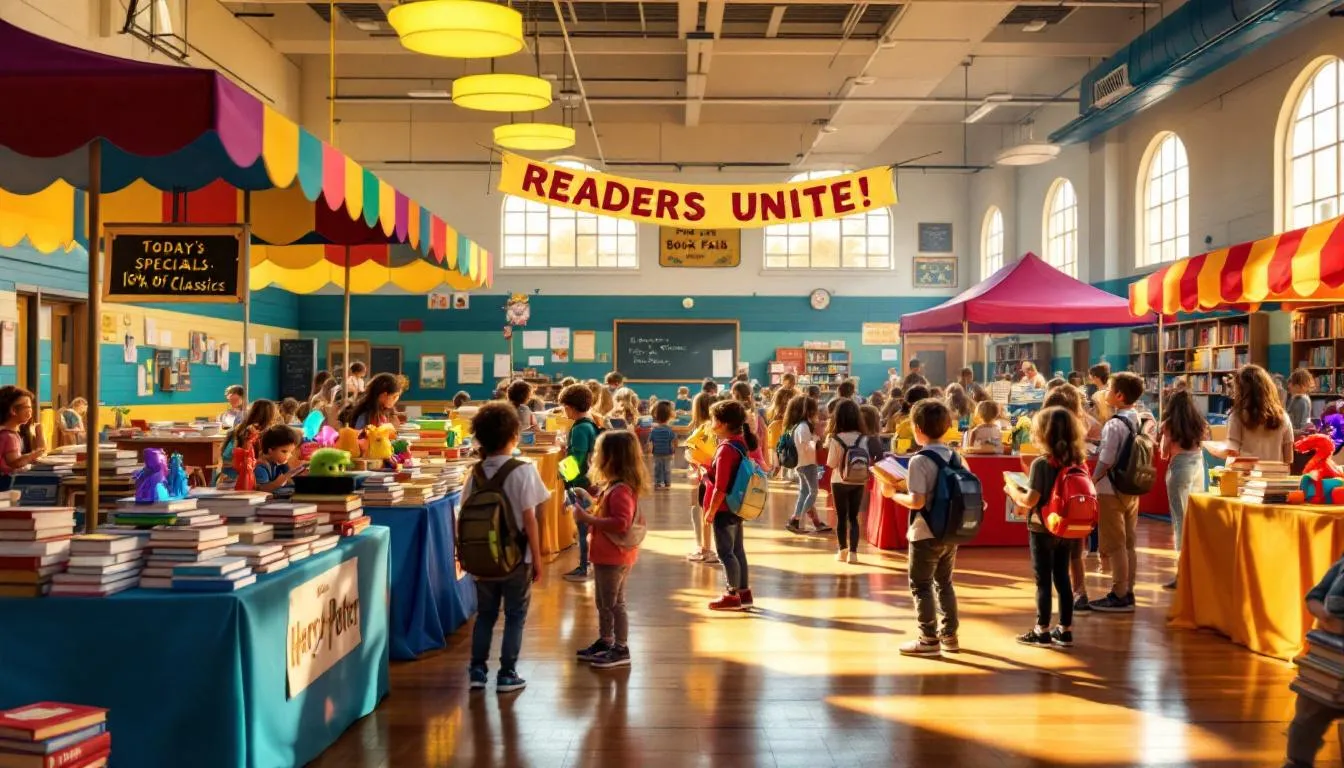
Schools always need resources to enhance their educational offerings. Whether it’s books for the school library or toys for pre-K classrooms, these items can make a big difference. To donate, reach out to the school administration or the Parent-Teacher Association (PTA). They can guide you on what’s needed most—perhaps a specific age range of books or educational toys for a particular program.
Libraries and Literacy Programs
Libraries are the bedrock of community learning. Donating books can expand their collections and support literacy programs. When considering a donation, contact the library to see their current needs. Some libraries might even have special programs for distributing books to children in need. I once donated a box of gently used children’s books to my local library and learned they were used for a summer reading program. It was gratifying to know those stories would inspire young readers.
Community Centers and Shelters
Community centers and shelters often serve families in crisis and can greatly benefit from toys and books. These donations provide comfort and a sense of normalcy for children in transitional situations. Contact your local community center or shelter to learn about their specific donation policies and needs. I’ve found that toys, especially those promoting interactive play, are always appreciated.
Considering where your donations can make the most impact is crucial to maximizing their benefit.
How to Prepare Your Donations for Maximum Impact?
Preparing your donations of kids’ books and toys thoughtfully can make them truly impactful. Here are some practical tips and personal stories to guide you through the process.
First, sorting and cleaning are essential. Picture this: you open a box of toys at your local community center, and instead of finding a treasure trove, you’re met with a jumbled mess. Not ideal, right? To avoid this, take the time to sort through the items. Group books by age or theme, and ensure toys are complete and in good condition. A quick wipe-down of toys and a gentle dusting of books can do wonders. I remember turning cleaning into a fun family task, with my kids and I singing along to our favorite tunes while tidying up.
Once sorted and sparkling, it’s time to package and label your donations. Use sturdy boxes or bags, and clearly label them with details like “Ages 3-5 Books” or “Educational Toys.” This helps the receiving organization quickly understand what you’ve donated and make the best use of it. Trust me, a little labeling goes a long way—I once received a heartfelt thank-you note from a community center because our labeled boxes saved them hours of sorting.
Organizing your donations can be rewarding. It ensures your contributions are appreciated and sets a great example for your kids. Involving them in the process can be an excellent opportunity to teach them about generosity and community involvement.
How to Involve Your Kids in the Donation Process?
Involving kids in the donation process is a fantastic way to teach them empathy and the value of giving. Start by explaining why donations are important. Share stories about how their toys and books can become treasures for other children. This builds empathy and gives them a sense of pride and responsibility.
To make choosing items to donate fun and engaging, consider these activities:
- Treasure Hunt: Organize a “treasure hunt” around the house where your kids look for toys and books they no longer use. Set a goal for the number of items to find and celebrate when they reach it.
- Decision-Making Power: Give them the power to decide which of their beloved items they can part with to bring joy to another child.
- Story Time Reflection: After reading a bedtime story, discuss how that book might become someone else’s favorite. This can help them associate stories with sharing.
Make the process educational by discussing the concept of giving. Activities like creating “Thank You” cards for the recipient organization or drawing pictures of how they imagine the kids using their toys can further this learning experience.
From my own experience, when my children were involved, they not only learned about generosity but also developed a deeper appreciation for what they have. As seasons change, there are different opportunities and needs for donations.
Are There Seasonal Considerations for Donations?
Changing seasons often bring different opportunities and needs for donations. For instance, holiday and back-to-school drives are popular times for donating kids’ books and toys. During these periods, organizations often run special campaigns to ensure children have gifts to open during the holidays or the resources they need to start the school year right. I remember participating in a holiday donation drive where my family and I donated toys that we had lovingly wrapped ourselves. Seeing the community come together to provide for those in need was truly heartwarming.
While these peak times are crucial, donations are needed throughout the year. Many people overlook that there are “off-seasons” when the need for donations remains high. For example, summer months can be challenging for families who rely on school-based resources during the academic year. Donating books and educational toys during the summer can support continued learning and play when school is out.
It’s important to recognize that the demand for donated items never truly wanes. Organizations like shelters and community centers serve families in crisis year-round, and their needs can be especially acute during quieter periods when donation levels might drop. By keeping these considerations in mind, you can plan your donations to be both timely and impactful.
As we conclude, let’s reflect on the key points to remember when donating locally.
Key Takeaways
- Community centers, schools, and libraries are excellent places to donate kids’ books and toys, supporting local families and programs.
- Preparing donations by cleaning and sorting ensures they are useful and appreciated by recipients.
- Engaging your children in the donation process builds empathy and encourages a lifelong spirit of giving.
- Consider seasonal needs when planning donations, as demand can fluctuate throughout the year.
Let’s create a ripple of positivity by sharing joy and resources with those around us. Every act of kindness counts!