Table of Contents
Quick Answer
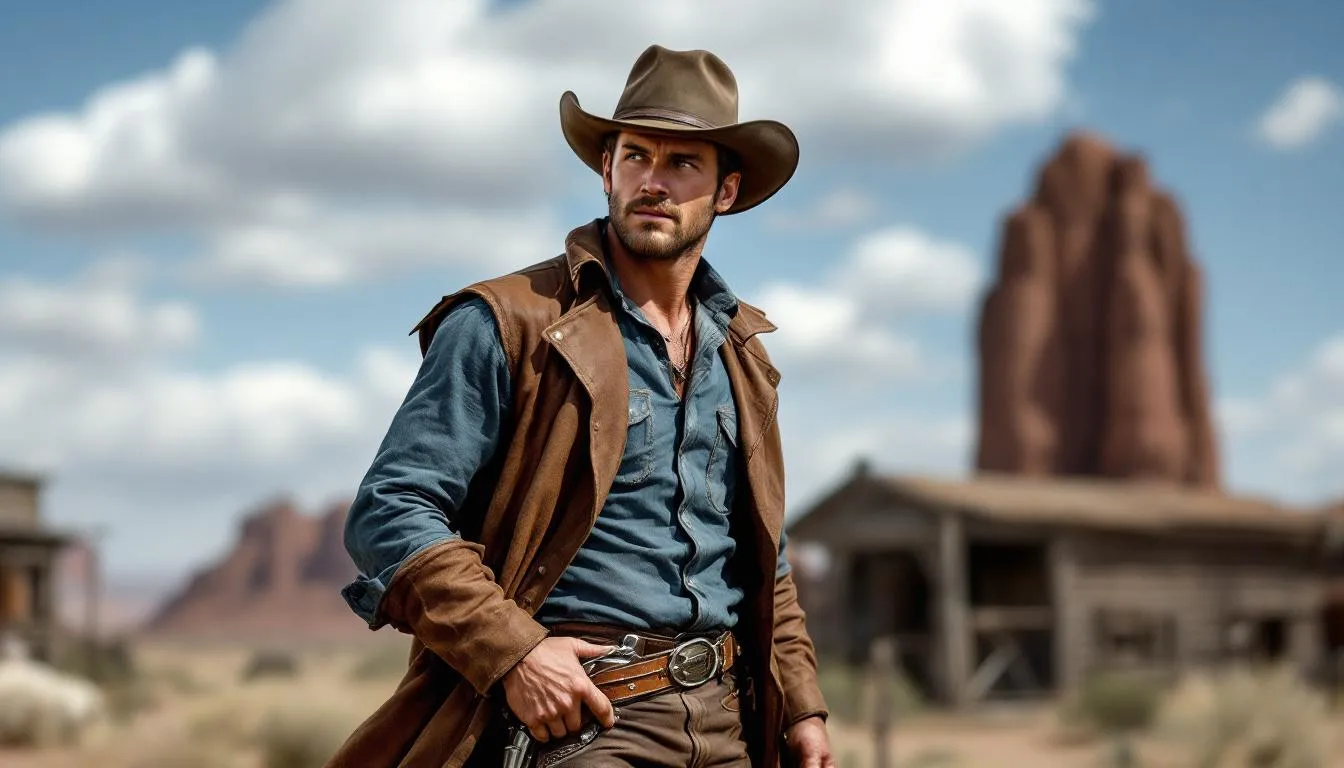
“Kid Colt, Outlaw” is a classic comic book series following the adventures of cowboy Blaine Colt. Known for its action-packed tales and vibrant artwork, the series distinguished itself in the Western genre. Kid Colt remains an iconic comic book cowboy due to its unique storytelling and artistic flair, leaving a lasting impression on fans and the genre itself.
Exploring the legacy of “Kid Colt, Outlaw” reveals how this character secured a unique place in comic book history, influencing countless stories and adaptations along the way.
What Is the Legacy of “Kid Colt, Outlaw”?
The legacy of “Kid Colt, Outlaw” is as expansive and rugged as the Wild West itself. Published from 1948 to 1979, this series emerged during the Western genre’s golden era across film, television, and literature. At this time, America was captivated by tales of frontier justice, where cowboys epitomized bravery and rugged individualism. In the post-World War II era, society longed for heroes who faced adversity with grit and determination—a role Kid Colt fulfilled perfectly.
Kid Colt symbolized resilience and justice at a time when society craved stories of moral clarity. His tales became integral to American pop culture, influencing Western comics and setting a standard for character development and storytelling. Blaine Colt’s adventures resonated through the pages of subsequent Western comics, inspiring a generation of writers and artists to explore complex narratives and moral dilemmas within this beloved genre.
Kid Colt’s influence extended beyond comics, becoming part of the larger Western mythos that shaped TV shows and movies, cementing his place as an enduring icon.
With such a rich legacy, it’s fascinating to explore how Kid Colt’s stories managed to stand out amid a crowded landscape of Western heroes.
How Did Kid Colt’s Stories Stand Out?
Kid Colt’s stories were a tapestry of unexpected plot twists and rich narrative themes that kept readers eagerly engaged. Unlike typical Western tales with straightforward good-versus-evil trajectories, Kid Colt’s adventures offered surprising turns and moral complexities.
I recall an issue where Kid Colt faced a moral quandary when he discovered the “bad guy” was stealing to save his family from destitution. This twist challenged the black-and-white morality often seen in Westerns, providing readers with a more nuanced view of justice and compassion.
Furthermore, Kid Colt evolved over time, offering depth and development that made him relatable. He wasn’t merely a gunslinger; he was a man haunted by his past, constantly on the run yet seeking redemption. This dimension added layers to his character, making readers root for him not just as a hero but as a flawed, real individual navigating an unforgiving world.
These elements of surprise and character growth were key to the series’ success, keeping it fresh and engaging for decades. Readers never knew what to expect from Kid Colt, but they could count on a compelling story that challenged perceptions and tugged at heartstrings.
The visual artistry was another critical component that brought these stories to life, with dynamic illustrations capturing the Wild West’s essence and its gritty, unpredictable nature.
What Role Did Art Play in Its Success?
The artwork in “Kid Colt, Outlaw” played a pivotal role in captivating its audience. Before the Comic Book Code Authority imposed stringent regulations, the series embraced a raw and gritty visual style that matched the untamed spirit of the Wild West. This gave artists freedom to experiment with bold lines, dramatic shadows, and dynamic compositions, creating a vivid, almost cinematic experience for readers.
The pre-Code era allowed for artistic daring, enabling illustrators to depict intense action scenes and complex characters with detail that drew readers into the story. I remember flipping through the pages and feeling as though I was riding alongside Kid Colt, the trail’s dust settling on my skin.
The artistic techniques were groundbreaking. Artists used cross-hatching and shadow play to create depth and texture, making each panel feel alive. Vibrant colors contrasted with stark, rugged landscapes, effectively capturing the frontier’s harsh beauty. This distinctive style not only set “Kid Colt, Outlaw” apart from other comics of the time but also contributed to its enduring appeal.
As the series progressed, the art evolved, reflecting changes in both industry and audience preferences. This adaptability helped “Kid Colt” remain relevant and engaging, even as the Western genre experienced shifts in popularity.
How Did the Comic Adapt Over Time?
Over the decades, “Kid Colt, Outlaw” demonstrated an impressive ability to adapt to changing times. The evolution of its storylines and artwork mirrored shifts in the comic book industry and broader cultural changes.
Initially, Kid Colt’s adventures were straightforward tales of frontier justice. However, as societal norms evolved, so did the narratives. The comic began to tackle more complex themes, incorporating moral ambiguity and social issues that resonated with readers. During the 1960s and 70s, storylines increasingly mirrored societal changes, addressing themes like individual rights and justice—a nod to the civil rights movements and cultural upheavals in America.
The artwork also saw significant transformation. Embracing new artistic trends, the series incorporated more sophisticated techniques and styles. The artwork evolved from the bold, gritty visuals of the 50s to more refined and expressive illustrations, reflecting advancements in printing technology and artistic talent. This kept “Kid Colt, Outlaw” visually fresh and appealing to new generations of readers.
These adaptations were crucial in maintaining the comic’s relevance and appeal. By staying attuned to changing cultural and industry trends, “Kid Colt, Outlaw” managed to remain a compelling presence in the world of comics.
Why Does Kid Colt Still Appeal Today?
Kid Colt’s timeless appeal lies in universal themes of justice and heroism that resonate with audiences across generations. These concepts remain as relevant today as during the golden age of Westerns. We all love a good hero story, and Kid Colt delivers just that—a cowboy with a strong moral compass, navigating the dusty trails of the Wild West, always striving to do what’s right, even when the stakes are high.
In today’s world, where the lines between right and wrong often seem blurred, Kid Colt’s straightforward sense of justice offers a refreshing narrative. His stories remind us of the importance of standing up for what is right, no matter the odds. This is something I often reflect on while watching modern superhero films or reading contemporary novels—those foundational elements of bravery and integrity continue to captivate and inspire us.
Moreover, Kid Colt’s influence extends beyond his comic series, finding echoes in modern storytelling and media. Many contemporary creators draw inspiration from characters like Kid Colt, weaving similar themes of redemption and moral complexity into their narratives. Whether in a gritty TV drama or an epic action film, the core values embodied by Kid Colt continue to shape the fabric of our cultural storytelling.
As we consider what makes this cowboy a lasting icon, it’s clear that his enduring appeal is closely tied to these timeless themes. The stories of Kid Colt continue to inspire and entertain, encouraging us to think about justice, heroism, and our roles in the modern world.
Key Takeaways
- Kid Colt is celebrated for his complex narratives and moral dilemmas, setting him apart from typical Western heroes.
- The series’ bold and gritty artwork brought the Wild West to life, making each story a visual masterpiece.
- Kid Colt’s adaptability to cultural shifts kept the series fresh and relevant over three decades.
- His tales of justice and heroism continue to resonate, inspiring modern storytelling across various media.
Let Kid Colt’s enduring spirit inspire you to embrace stories of courage and justice, encouraging the next generation to ride boldly into the future.