Table of Contents
Quick Answer
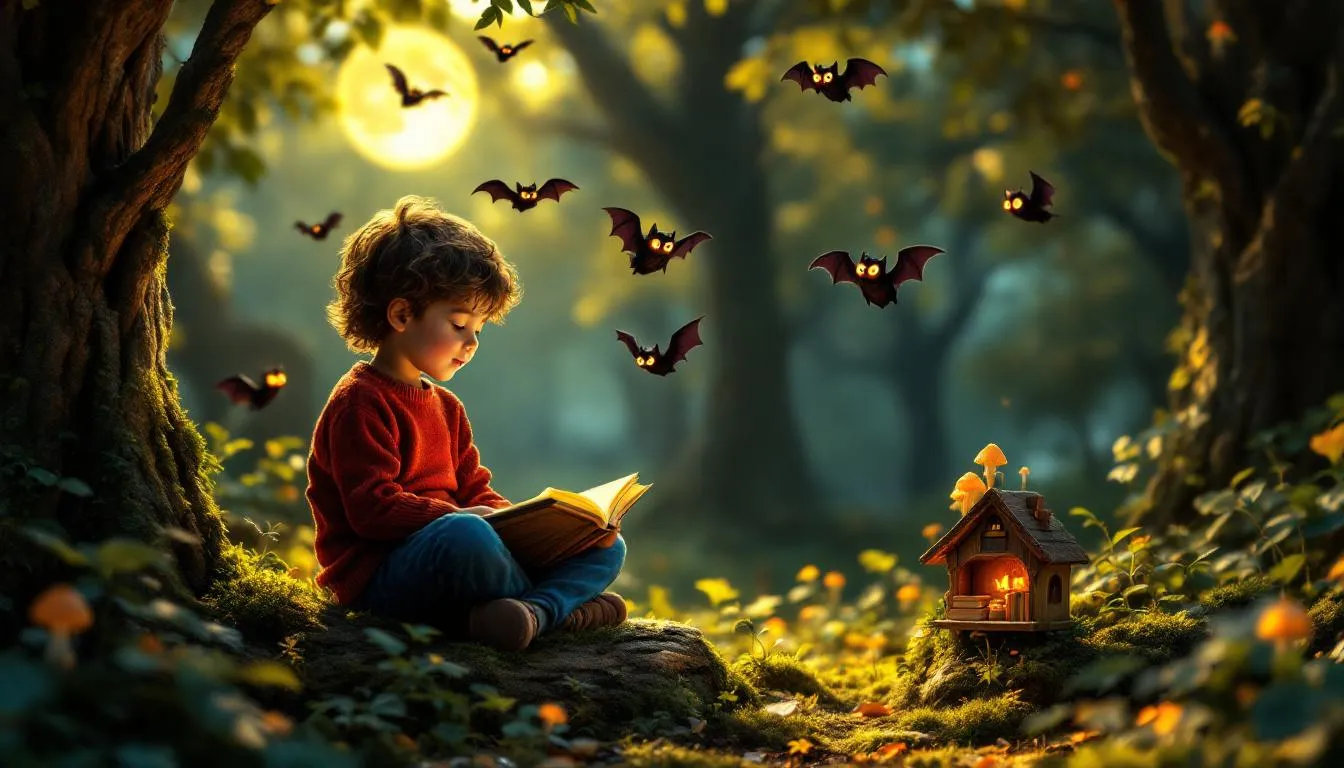
Bat-themed books for young children offer a delightful blend of fun and learning, providing an opportunity to explore the mysterious world of bats through colorful illustrations and engaging narratives. These books are curated to spark curiosity and foster a love for both reading and nature. The top 10 bat books captivate young minds by combining imaginative storytelling with educational insights into the world of bats. Children’s literature has a magical way of introducing complex ideas in a manner that is both entertaining and enlightening.
Why Are Bat-Themed Books Important for Kids?
Have you ever seen a child’s eyes light up when they uncover something new about the world? Bat-themed books excel at doing just that—sparking curiosity in young explorers. These stories unveil the mysterious and often misunderstood world of bats, revealing them not just as spooky night flyers but as fascinating creatures with unique roles in nature. For example, when my daughter first read about how bats help control insect populations and pollinate plants, her excitement was contagious. She soon wanted to learn about other animals and their roles in the ecosystem, turning storytime into an impromptu science lesson. For more general information, you can explore Bat Facts for Kids.
Bat books often blend facts with a touch of fiction, creating a magical mix that stimulates creativity. Imagine a young reader diving into a story where bats become superheroes or embark on moonlit adventures. These tales entertain while encouraging children to stretch their imaginations and create their own stories. When my son read about a bat that played musical instruments, he spent a week pretending to be that bat, crafting songs and adventures. It’s remarkable how a simple story can transform into a playground for the imagination.
These books lay the groundwork for a lifelong love of reading and learning about the natural world. Let’s explore some of the best bat books that captivate and inspire young minds.
What Are the Top 10 Bat Books for Children?
Fiction Favorites:
- “Stellaluna” by Janell Cannon: This beloved tale of a young fruit bat who gets separated from her mother is a classic in children’s literature. It beautifully explores themes of identity, friendship, and acceptance as Stellaluna learns to adapt and reunites with her bat family. The lush illustrations captivate young readers while subtly teaching them about bat behavior and biology. For a comprehensive look, read the Stellaluna Book Review.
- “Silverwing” by Kenneth Oppel: A gripping adventure follows a young bat named Shade on a journey of self-discovery. The book explores courage and self-discovery, appealing to slightly older children ready for chapter books. My nephew was so captivated by the story that he wanted to dress up as Shade for Halloween! Find more insights in this Silverwing Book Series Review.
Educational Guides:
- “Bats: Biggest! Littlest!” by Sandra Markle: This book is a treasure trove of bat facts presented engagingly. Kids learn about the diversity of bat species, from the tiny bumblebee bat to the giant flying fox, with vivid imagery that sparks interest in wildlife.
- “Amazing Bats” by Seymour Simon: Known for its stunning photography, this book offers a visual feast and intriguing facts about bats. It’s perfect for visual learners, providing a detailed look at these fascinating creatures.
Other Notable Titles:
- “Night Song” by Ari Berk: This beautifully illustrated story follows a young bat named Chiro as he uses echolocation to find his way home. The poetic narrative and enchanting illustrations make it a bedtime favorite in our house.
- “Bat Loves the Night” by Nicola Davies: Blending narrative with facts, this book educates while entertaining. My son loved learning about echolocation and bat behavior through the engaging story.
- “Good Night, Bat! Good Morning, Squirrel!” by Paul Meisel: A charming tale of an unlikely friendship between a bat and a squirrel, reminding us that differences can lead to meaningful friendships.
- “Zipping, Zapping, Zooming Bats” by Ann Earle: This book delves into bat biology in an easy-to-understand way, making it a hit for curious kids who love science.
- “The Bat Book” by Charlotte Milner: A delightful mix of storytelling and science, this book is perfect for kids who want to learn more about the vital role bats play in our world.
- “Bats at the Beach” by Brian Lies: With a fun and engaging plot, this book whimsically imagines a day at the beach for bats, praised for its creativity and humor.
These books entertain while instilling a sense of wonder about the natural world. Each story or fact-filled page acts as a gateway to deeper exploration and appreciation for nature.
How Do These Books Inspire a Love for Nature and Storytelling?
Bat-themed books uniquely weave storytelling elements to capture children’s attention and spark their imaginations. These stories often use vivid imagery, engaging characters, and adventurous plots to draw young readers into the world of bats. Take “Stellaluna,” for instance. Janell Cannon crafts Stellaluna’s journey with rich descriptions and emotional depth, allowing children to empathize with the little bat’s experiences. Kids become invested in the narrative, learning about friendship and identity while being entertained by Stellaluna’s adventures.
Besides storytelling, these books have a significant educational impact, embedding factual content that fosters environmental awareness. Books like “Bats: Biggest! Littlest!” by Sandra Markle introduce children to the diversity of bat species, presenting facts in a digestible and intriguing manner. My daughter, for instance, was fascinated by the idea that such small creatures could have a big impact on the environment, which led her to inquire about other animals’ roles in nature.
These books do more than tell stories; they teach valuable lessons about the world we live in, encouraging kids to think critically about nature. When a story entertains, educates, and inspires, it lays the foundation for a lifelong love of learning and storytelling. As we reflect on what we’ve learned, it’s clear how these elements harmonize to ignite a passion for both nature and narrative.
Key Takeaways
- Bat books blend engaging storytelling with insightful educational content, capturing children’s imaginations.
- Both fiction and non-fiction bat books contribute significantly to child development.
- Encouraging a love for reading and an appreciation for nature is crucial for young minds.
- Introduce bat-themed books during storytime to spark interest.
- Pair reading sessions with outdoor activities to explore and observe nature firsthand.
- Stimulate curiosity by asking follow-up questions about the stories and facts read.
Nurture your child’s love for nature and storytelling, and watch them grow into curious, informed, and imaginative individuals!