Table of Contents
Quick Answer
“Ties that Bind” by Sarah Schulman explores the painful realities of familial estrangement, especially when fueled by homophobia. Through personal stories and insightful analysis, it offers understanding and hope for queer and trans individuals distanced from their families due to their identities. This book acts as a critical support system, guiding those affected to navigate their emotions and form meaningful connections elsewhere.
The narratives invite us to delve into the core themes woven throughout the book, offering a deeper understanding of its impact.
What is the Core Theme of ‘Ties that Bind’?
At the heart of “Ties that Bind” is a profound examination of familial homophobia. The book unflinchingly reveals the layers of pain and misunderstanding that often surface when queer and trans individuals come out to their families. Ideally, families should provide unconditional love and support, yet they can become sources of rejection for those who don’t fit traditional norms. The book examines how these dynamics lead to estrangement.
For queer and trans individuals, such rejection can be devastating. Imagine being told by those you love most that your true self is unacceptable—it’s like being stranded on an emotional island, cut off from those who should be your safe harbor. The book delves into these feelings of isolation and the struggle for acceptance, both internally and externally.
But it’s not all heartbreak. Sarah Schulman highlights the potential for reconciliation and understanding, showcasing stories where dialogue and empathy pave the way for healing. Not every story ends with a fairy-tale reunion, but there is hope that burned bridges can sometimes be rebuilt.
Through these themes, “Ties that Bind” provides more than stories; it offers a framework for understanding the complex interplay of identity, family, and acceptance. This sets the stage for exploring how estranged individuals find solace and connection elsewhere.
How Does the Book Resonate with Estranged Individuals?
Many readers find themselves deeply moved by “Ties that Bind” because it speaks to their lived experiences in ways few other resources do. The book includes personal stories and testimonials that echo the silent struggles of countless estranged queer and trans individuals. Reading a story that mirrors your life, where the protagonist faces familial rejection but finds resilience in unexpected places, feels like having a conversation with a friend who truly understands.
These stories offer emotional and psychological validation, reassuring readers that their feelings of alienation and hurt are not only understandable but shared by many. Sarah Schulman beautifully articulates these emotions, providing a sense of solidarity. It’s as if she’s saying, “You’re not alone in this.”
Beyond validation, the book provides real-life coping mechanisms that readers can apply to their situations. It highlights paths to healing, such as finding chosen families, engaging in therapy, or joining support groups. These strategies are grounded in the lived experiences of those who have walked the same path. Many find solace in communities that celebrate diversity and offer unwavering support.
Finding ways to cope with estrangement is crucial. Whether through personal growth or community support, the journey to healing is multifaceted.
What Coping Strategies are Suggested?
When faced with familial estrangement, coping is essential for emotional well-being. One of the most powerful strategies highlighted in “Ties that Bind” is the concept of building found families and community support.
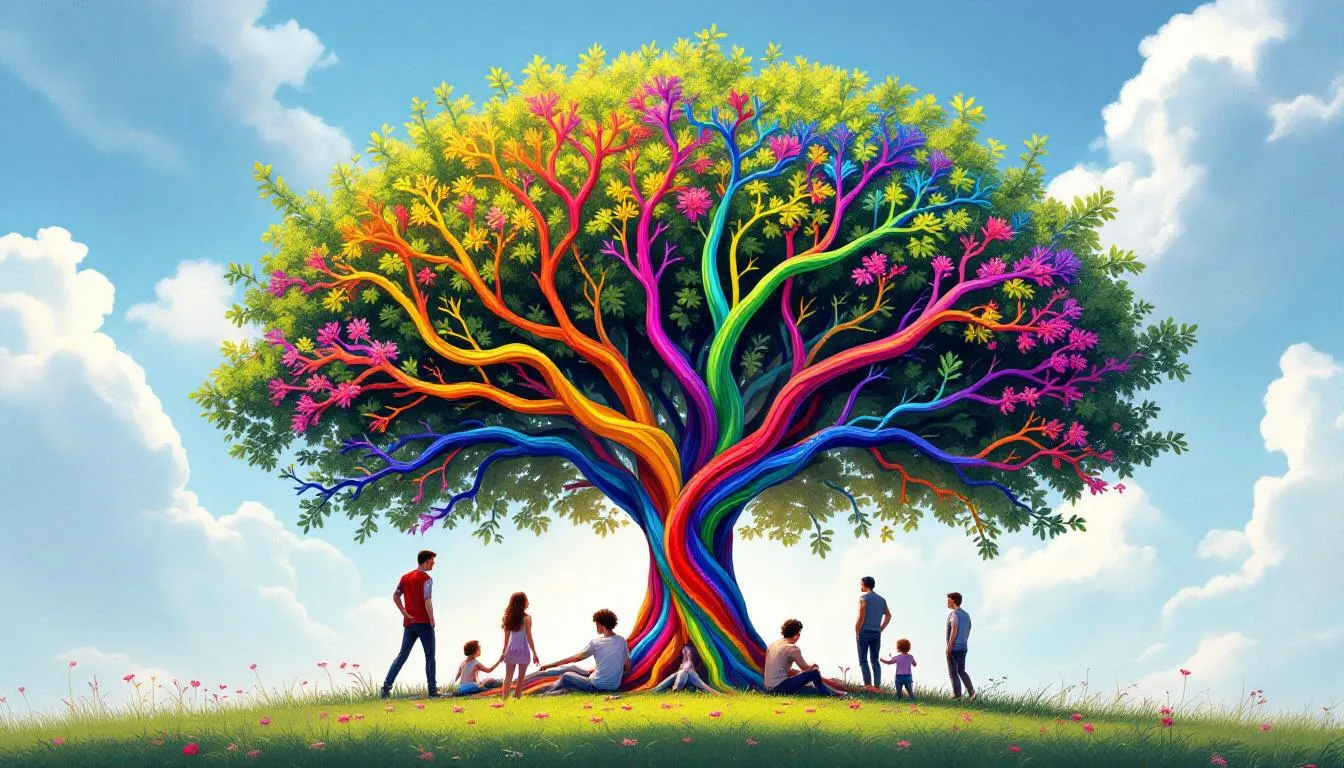
Found families consist of people you choose who offer love, support, and acceptance. These are friends who become siblings, mentors who act as parental figures, and communities that embrace your true self. I recall going through a tough time with my own family; my friends became my emotional anchors, reminding me that family isn’t just about blood—it’s about the connections we nurture.
In addition to found families, cultivating emotional resilience is crucial. This involves developing the inner strength to withstand emotional upheaval and bounce back from adversity. Techniques such as mindfulness, journaling, or engaging in creative outlets like art or music can be therapeutic. I’ve found that practicing gratitude daily has been transformative in maintaining a positive outlook, even in tough times.
Lastly, therapy and counseling provide a safe space to explore feelings and develop coping strategies. Professional guidance can help process the complex emotions accompanying estrangement. Many benefit from therapists experienced with LGBTQ+ clients, ensuring their healing journeys are understood and respected.
Understanding that we don’t face these challenges alone is key. Supportive communities play a vital role in navigating the path to healing and acceptance.
How Can Community Support Be a Lifeline?
Community support can be a lifeline for queer and trans individuals facing familial estrangement. LGBTQ+ networks offer a safe space for individuals to be their authentic selves. These networks are vibrant communities that foster belonging and understanding.
Imagine attending a local LGBTQ+ center where every smile and nod feels like a warm hug, silently affirming that you’re seen and valued. I remember my first visit to such a center; the acceptance was palpable. Stories were shared, resonating with a shared experience of resilience and hope.
The role of community in healing and acceptance cannot be overstated. These groups organize events, workshops, and support circles that facilitate healing through shared experiences. In these settings, individuals express fears, triumphs, and aspirations without fear of judgment. For many, this is the first step toward rebuilding self-worth and finding peace with their identities.
Successful initiatives, like the “Rainbow Families” program, provide mentorship and peer support to those navigating estrangement. They create platforms for connecting with others who have faced similar challenges, offering guidance and camaraderie. These initiatives often lead to lifelong bonds, proving that family can indeed be chosen and cherished.
Personal stories of impact are the heartbeats of these initiatives, transforming lives through community support.
Are There Personal Stories of Impact?
Personal stories within “Ties that Bind” powerfully illustrate how estrangement can lead to transformation and healing. Readers often share how deeply they connect with the narratives, feeling as if the book speaks directly to their souls. One reader recounts how she initially felt lost after her family rejected her for coming out. Through the book, she found solace in the shared experiences of others who faced similar rejections. It was like finding a lighthouse in the fog, guiding her toward self-acceptance.
The book features stories of individuals who have not only survived estrangement but thrived. For example, Mark, a trans man, was estranged from his family after transitioning. Initially heartbroken, he found strength in a community of supportive friends and mentors. This newfound family helped rebuild his self-esteem and ultimately led to reconciliation with his parents, who came to understand and accept his true self.
Sarah Schulman’s analysis of these narratives is both nuanced and enlightening. She dissects each story, providing context and insight into the emotional journeys involved. This approach allows readers to see the broader picture of systemic issues while feeling the personal impact of each story.
These personal testimonies underline the book’s message of hope and resilience. They remind us that while estrangement is painful, it can also be a catalyst for growth and change. As we consider the broader implications of these stories…
Key Takeaways
- “Ties that Bind” highlights the emotional challenges faced by estranged queer and trans individuals, offering a pathway to understanding and healing.
- The book validates feelings of isolation and rejection, providing real-life coping strategies like building found families and accessing therapy.
- Community support is vital, acting as a lifeline for those seeking acceptance and belonging outside their biological families.
Remember, healing is a journey best traveled with compassion and support. Embrace the love around you and take the next step toward a brighter, more inclusive future.