Table of Contents
Quick Answer
A kids’ coloring book is a vibrant collection of outlined illustrations designed to spark creativity and encourage exploration through color. Creating one requires imagination, theme development, artistic design, and production planning. To create a kids’ coloring book, you’ll start with a concept, develop unique themes, design engaging illustrations, and finalize it for publication.
Beginning this creative journey involves focusing on planning and conceptualizing, which lays the groundwork for a successful project that captivates young artists.
What Are the Initial Steps in Conceptualizing?
Creating a kids’ coloring book starts with understanding your audience. Identifying the target age group is crucial as it allows you to tailor the complexity of illustrations to their developmental stage. For example, children ages 3-5 benefit from simple, bold outlines that are easy to color, while older kids might enjoy more intricate designs that challenge their skills.
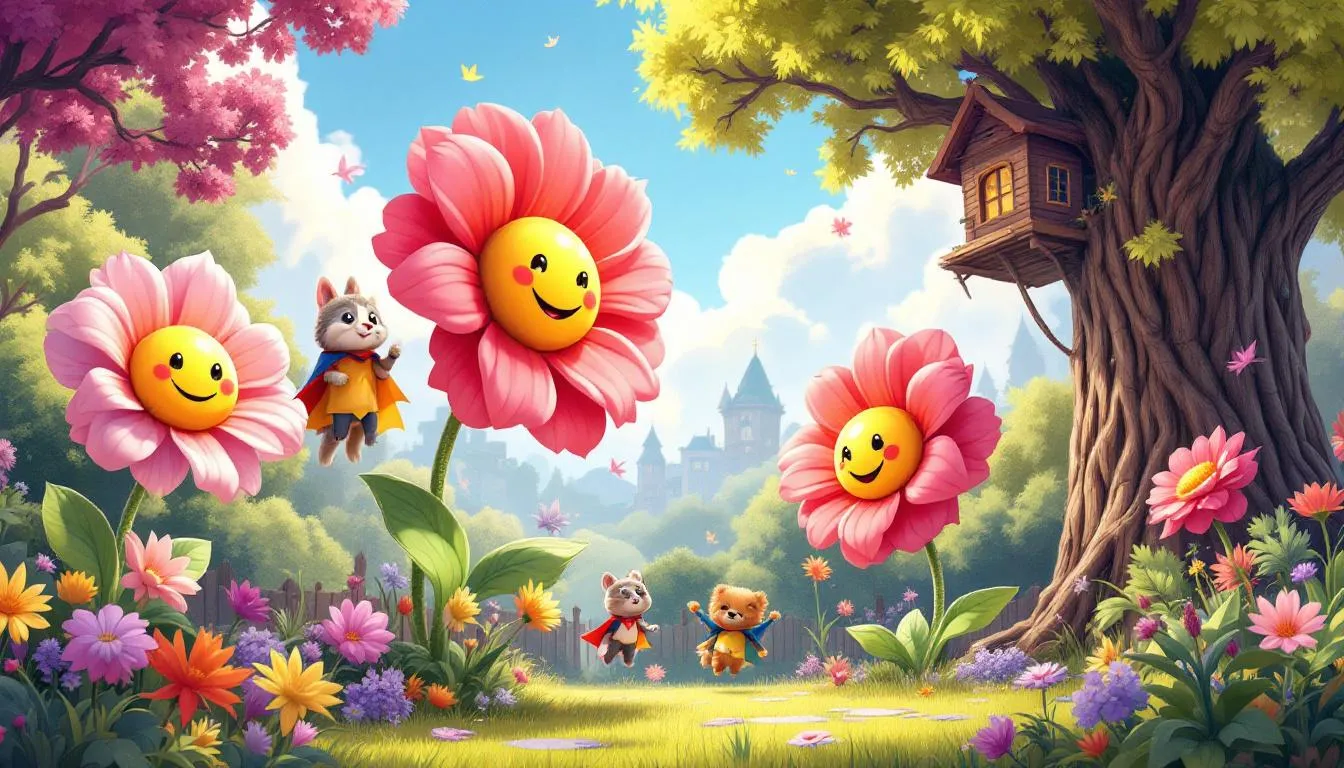
Once you’ve determined the age group, it’s time to brainstorm playful and engaging themes. Consider what sparks children’s imaginations—perhaps dinosaurs having a tea party or a magical world where animals wear superhero capes. Choose themes that are not only fun but also relatable and inspiring. When I created a coloring book for my niece, I chose a “backyard adventure” theme because she loves exploring her garden and discovering bugs and plants.
Staying current with trends and popular characters can also be a treasure trove of inspiration. Incorporating elements kids already love can make your coloring book a hit, but remember to add your unique spin to keep it fresh and original.
With these foundational steps in place, you’re ready to weave playful themes into your project.
How to Incorporate Playful Themes?
When integrating playful themes into your coloring book, creativity is your best ally. Immerse yourself in the vivid world of a child’s imagination. A good brainstorming session often sparks numerous ideas. Grab a cup of coffee, sit by a window, and jot down everything that comes to mind, no matter how whimsical.
Here are some tips to ignite your creativity:
- Think Like a Kid: Recall what fascinated you as a child. Were you drawn to outer space or captivated by the secret lives of animals? Tap into those memories.
- Mix and Match: Combine unrelated concepts, like a pirate ship sailing through space. The more unexpected, the better!
- Observe and Listen: Spend time with children, listen to their stories, and watch their favorite shows. Kids are often the best source of inspiration.
Balancing educational and entertaining elements is crucial. While fun is central to any coloring book, incorporating learning can be a delightful bonus. For instance, a page featuring animals could include fun facts about each creature. When I created a page on jungle animals, I added blurbs about each one’s habitat and diet—my niece loved it and learned something new!
Inclusivity and diversity in themes are more important than ever. Children from all backgrounds should see themselves reflected in your book. Consider a range of skin tones, cultures, abilities, and family structures in your illustrations. When I included a “world festival” section in one of my projects, it was a hit because it celebrated global traditions, making it both educational and inclusive.
With these playful themes in place, you’re ready to keep your project on track and avoid common pitfalls.
How to Avoid Common AI Pitfalls?
Venturing into AI-generated art is like stepping into a futuristic playground, but understanding its limitations is vital to avoid common pitfalls. AI can produce impressive artwork, but it often lacks the personal touch and charm of human creativity. An AI might create a perfect-looking dinosaur, but it won’t capture the quirky, endearing traits that come from a human’s imagination.
Ensuring originality in your designs is essential. While AI can be a fantastic tool for inspiration, relying solely on it can lead to cookie-cutter illustrations. Use AI-generated art as a starting point, then add your unique flair by sketching over it or altering its elements, much like adding a secret ingredient to a favorite family recipe.
Ethical considerations and copyright issues are also crucial when using AI in your projects. Remember, just because an AI generates an image doesn’t mean it’s free from copyright concerns. Some AI models are trained on existing artwork, which can raise questions about originality. Use AI tools and resources that provide clear guidelines on usage rights, and always strive to create something uniquely yours while respecting both your creation and others’ work.
As you navigate these challenges, consider the artistic elements that will make your coloring book truly stand out.
What Artistic Elements Make a Book Unique?
The artistic elements are what truly breathe life into your coloring book. One thing I’ve learned is that originality is key. Creating original artwork can start with a simple doodle or sketch that captures the spirit of your theme. Sometimes, inspiration comes from everyday quirks, like when my cat knocked over a paint set, inadvertently creating a unique palette that sparked an entire page design!
Collaborating with illustrators is another excellent way to ensure your book has professional quality. Not everyone is a born artist, and that’s okay. Partnering with a specialist in children’s illustrations can elevate your project. When working with an illustrator, be open to their creative insights while clearly communicating your vision. A friend once teamed up with an illustrator for a series of underwater scenes, resulting in a visually stunning book filled with vibrant sea creatures and whimsical coral reefs.
Color psychology can significantly enhance your book’s visual appeal. Different colors evoke different emotions and can guide a child’s experience as they color. For instance, using warm colors like reds and yellows on a sunny day page can evoke feelings of happiness and energy, while cooler tones might create a calming night sky scene.
With your illustrations complete and bursting with originality and color, it’s time to bring the whole book together.
How to Assemble and Publish Your Book?
Assembling and publishing your coloring book is where all your creative efforts culminate into a tangible product. Let’s start with formatting and layout tips, which can make the difference between a good book and a great one.
- Keep it Simple: Ensure each page has a uniform style. Simple borders and easy-to-read fonts can enhance the overall aesthetic without distracting from the illustrations.
- Consider Page Size: Standard sizes like 8.5×11 inches are popular for print, making it easier for little hands to handle. For digital versions, ensure the file is compatible with e-readers and tablets.
- Test Print: Always do a test print to check how colors and lines appear on paper. Colors can look different on screen than in print.
When it comes to publishing, you have two main options: self-publishing and traditional publishing. Here’s a comparison:
I once self-published a book and loved the creative freedom, though I had to wear many hats—from designer to marketer.
Marketing your coloring book is crucial for reaching your audience. Social media is a powerful tool; share sneak peeks of your illustrations and engage with parents and educators. Hosting a coloring contest can also create buzz and encourage interaction. When my coloring book launched, I organized a small event at a local library—watching kids dive into the pages was pure joy!
With your book ready to enter the world, consider the next steps to ensure its success and keep your creative journey thriving.
Key Takeaways
- Define your target age group to tailor illustrations accordingly.
- Brainstorm engaging themes that resonate with kids, like magical adventures or animal escapades.
- Balance fun with educational content for added value.
- Use AI tools wisely, ensuring originality and respecting copyright.
- Collaborate with illustrators to enhance your book’s artistic quality.
- Choose between self-publishing for control or traditional publishing for support.
- Leverage social media and events to market your book effectively.
Embark on this creative journey with passion, and watch your ideas transform into cherished childhood memories!