Table of Contents
Quick Answer
Children’s books are often the first stories that shape our understanding of the world. From whimsical adventures to heartwarming narratives about friendship and courage, these books impart values that linger long after the last page is turned. Children’s literature lays the foundation for our beliefs, attitudes, and behaviors as adults.
As we explore the lessons within these treasured tales, we’ll uncover how they continue to guide our choices and influence our lives, even when we’ve outgrown their pages.
What Lessons Do We Learn from Children’s Books?
Children’s books are treasure troves of valuable life lessons, introducing us to moral and ethical teachings in enchanting ways. Remember “The Boy Who Cried Wolf”? This classic tale emphasizes the importance of honesty and the consequences of lying, using relatable characters and scenarios to help children discern right from wrong.
Empathy and kindness are also key lessons woven into children’s literature. Consider “Charlotte’s Web” and the touching friendship between a spider and a pig. Through these relationships, children learn to understand and share the feelings of others, discovering that kindness can emerge from unexpected places and is a powerful force for good.
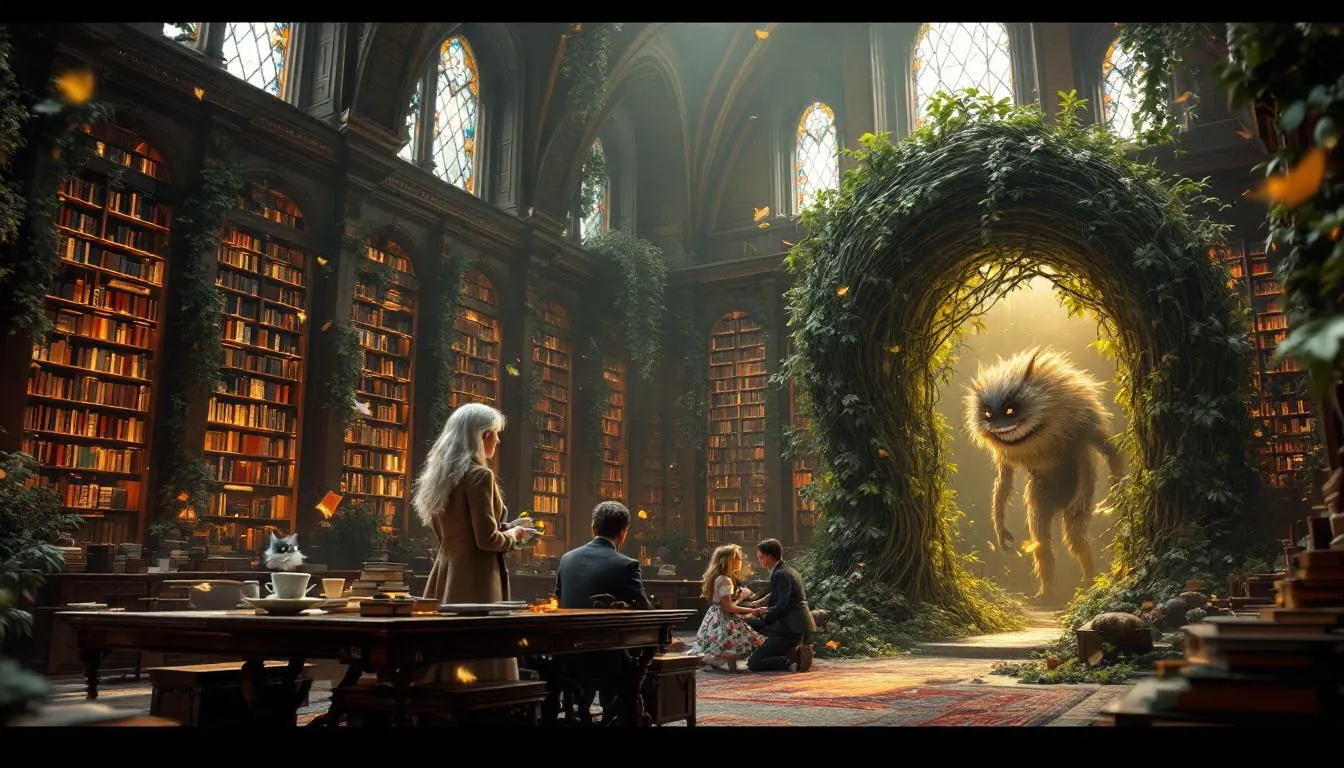
Books like “Where the Wild Things Are” and “Alice in Wonderland” open the door to boundless imagination and creativity. As a child, these stories sparked my imagination, inspiring me to dream big and create my own adventures.
These lessons extend beyond childhood, laying the groundwork for the values and beliefs we carry into adulthood. Let’s explore how these cherished tales continue to shape the principles we hold dear.
How Do Stories from Childhood Influence Our Values?
Growing up, I vividly remember being engrossed in “The Giving Tree” by Shel Silverstein. Its profound message of selflessness and generosity left a lasting imprint on me. I often find myself reflecting on that story when deciding how to give my time and resources, as if the story whispers in my ear, reminding me of the joy in selfless acts.
It’s not just personal anecdotes that highlight the influence of children’s literature. Many notable figures attribute their values and successes to beloved books from their formative years. Oprah Winfrey, for example, has often spoken about “The Color Purple” by Alice Walker, a book she encountered as a young adult. While not strictly a children’s book, it was the stories from her childhood that instilled in her a love of reading and storytelling, shaping her career and philanthropic efforts.
Similarly, Malala Yousafzai, the youngest Nobel Prize laureate, cites “The Wizard of Oz” as a significant influence. Its themes of courage and pursuing dreams resonated with her, fueling her determination to advocate for girls’ education worldwide.
These anecdotes illustrate a fascinating truth: the stories we cherish as children can guide our moral compass and influence our life paths. As we delve into specific books that have left lasting marks, we see how these stories continue to resonate across generations.
Which Books Have Had the Most Lasting Impact?
When considering children’s books with enduring impact, the classics often come to mind. These stories captivate generation after generation with timeless messages and unforgettable characters. “The Tale of Peter Rabbit” by Beatrix Potter, for instance, teaches about the consequences of ignoring good advice—and perhaps inspires a lifelong love of gardens and nature.
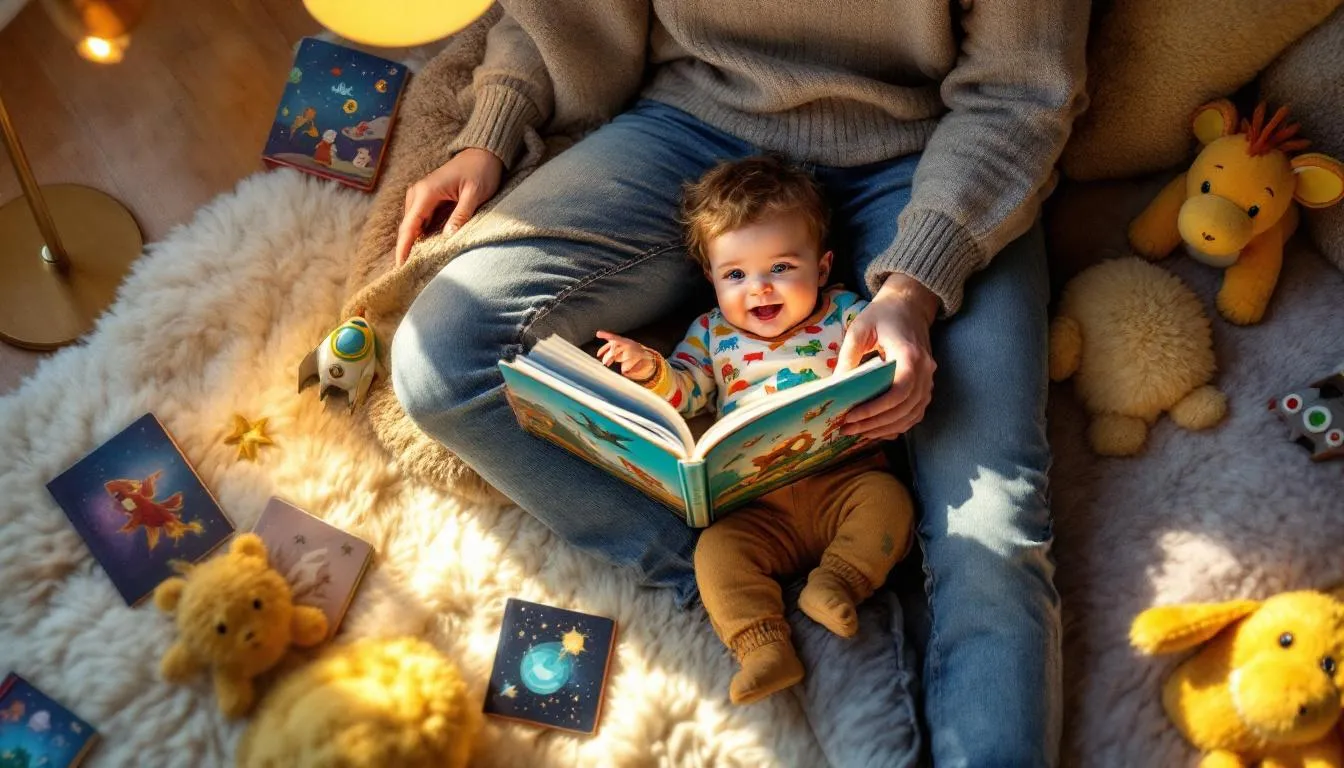
Another enduring classic is “Goodnight Moon” by Margaret Wise Brown. Its simple, rhythmic text and soothing illustrations create a cherished bedtime ritual. It reminds us of the comfort found in routine and the importance of winding down, a lesson many of us cling to as adults when life gets hectic.
Books with universal themes, like Dr. Seuss’s “Oh, the Places You’ll Go!”, transcend generations. This whimsical tale about life’s journey resonates with readers of all ages, encouraging them to embrace ups and downs with courage and optimism. It’s often given as a gift during transitions, like graduations, as a nudge to take on the world.
These stories leave indelible marks on our hearts, shaping our worldviews and values. As we grow, we draw on these lessons, carrying the wisdom of childhood tales into adulthood. Whether it’s the courage to face new challenges or the comfort of a familiar bedtime story, these books guide us in unexpected ways.
How Do We Carry These Stories Into Adulthood?
As we step into adulthood, many of us carry the echoes of the stories we cherished as children. These beloved tales subtly weave into our daily lives, shaping who we are and how we interact with the world.
Consider the value of curiosity and lifelong learning. Many adults who grew up reading “Curious George” find themselves naturally inquisitive, eager to explore new ideas and learn. This childhood fascination with George’s adventures often translates into a thirst for knowledge, whether pursuing higher education, picking up new hobbies, or enjoying a good documentary.
Books also influence career choices. Someone who loved “The Little Engine That Could” might develop a can-do attitude, tackling challenges head-on, perhaps leading to careers in fields requiring persistence and resilience, such as engineering or entrepreneurship. The mantra “I think I can, I think I can” becomes a guiding principle, encouraging perseverance.
Even hobbies can trace back to childhood readings. A person enchanted by “The Secret Garden” might cultivate a passion for gardening, finding joy in nurturing their own greenery. Similarly, someone inspired by “Harry Potter” might dive into fantasy as a writer or artist, creating magical realms.
These stories are more than entertainment; they plant seeds in young minds, blossoming into the adults we become. As we explore expert perspectives and the broader implications of children’s literature, we’ll see how these insights can be applied by parents and educators.
What Do Experts Say About the Influence of Children’s Literature?
Imagine sitting with psychologists and educators eager to share insights on children’s literature’s lasting impact. These experts emphasize early reading’s role in shaping emotional and cognitive development. It’s fascinating how storytime can profoundly influence our brain’s wiring and emotional intelligence.
Research shows that children engaging with books from a young age develop higher empathy and better social skills. This isn’t surprising, as stories often place readers in diverse characters’ shoes, fostering an understanding of different perspectives. When kids read about Harry Potter grappling with bravery and friendship, they’re not just entertained—they’re learning to navigate complex social landscapes.
Studies also indicate that early exposure to books boosts cognitive development. Regular reading often leads to advanced language skills and increased concentration. I recall my daughter, after countless readings of “The Very Hungry Caterpillar,” narrating her own imaginative tales with vibrant characters and intricate plots. It was a joy to watch her cognitive wheels turn, sparked by Eric Carle’s colorful world.
These insights offer valuable guidance for nurturing young minds. By understanding children’s literature’s profound impact, we can foster environments ripe for growth and learning, setting the stage for lifelong curiosity and compassion. Next, we’ll explore practical applications for parents and educators.
How Can Parents and Educators Leverage This Knowledge?
As a parent or educator, selecting the right children’s books can be both delightful and daunting. The key is to choose stories that entertain and impart valuable lessons. Look for books with themes of empathy, bravery, and kindness, like “Wonder” by R.J. Palacio, which teaches acceptance and compassion. Or choose stories that spark curiosity and imagination, such as “The Magic Tree House” series, engaging young readers and introducing them to historical events and cultures.
To create meaningful reading experiences, go beyond just reading the words. Engage children by discussing the story and asking open-ended questions. For example, after “The Very Hungry Caterpillar,” ask, “What do you think the caterpillar felt as it changed into a butterfly?” This encourages critical thinking and expression.
- Choose books reflecting diverse experiences and perspectives to broaden a child’s understanding of the world.
- Incorporate storytelling into daily routines, like bedtime stories, to foster a love for reading.
- Encourage children to act out favorite scenes or create art inspired by stories, deepening their connection to the material.
By thoughtfully selecting books and creating enriching reading experiences, we help children carry these stories’ lessons into adulthood, shaping their values and worldviews. Next, let’s explore actionable steps and key insights for this journey.
Key Takeaways
- Children’s books lay the groundwork for a moral compass, teaching crucial lessons about honesty, kindness, and courage.
- Stories cherished in childhood can influence personal and professional choices, inspiring career paths and hobbies.
- Early exposure to literature enhances empathy and creativity, fostering a lifelong love of learning and exploration.
Embrace the power of children’s literature to nurture young minds. By thoughtfully curating stories, we guide the next generation, equipping them with the values and creativity needed to navigate the world. Let’s make reading a joyful, transformative experience for our children.