Table of Contents
Quick Answer
Children’s books are more than just stories; they are gateways to worlds where anything is possible, serving as powerful tools for a child’s cognitive and emotional development. These books spark imagination by transporting young readers into magical realms while nurturing their curiosity about the world. In essence, children’s books are vital for inspiring imagination and curiosity, fueling a child’s growth and understanding.
The magic of certain children’s books lies in their engaging stories, vibrant illustrations, and relatable characters, which capture the hearts and minds of our little ones.
What Makes Certain Children’s Books Captivating?
Reflecting on the children’s books that have stood the test of time in my household, I see that engaging storylines and characters play a major role. These books often feature relatable characters that kids can identify with. Whether it’s a shy caterpillar discovering its strength or a curious monkey getting into mischief, these characters draw children in and keep them turning pages. I’ve noticed my kids are especially drawn to adventurous plots, where they can journey through enchanted forests or sail the high seas—all from the comfort of their bedroom.
The magic extends beyond the story; the visual appeal of a book is equally crucial. Colorful and imaginative illustrations can ignite a child’s interest at first glance. Remember those picture books with vibrant colors and whimsical drawings? They’re like a visual candy shop for young minds, feeding their imagination with every page turn. I still recall my daughter’s excitement every time she discovered a hidden creature in the illustrations of her favorite book.
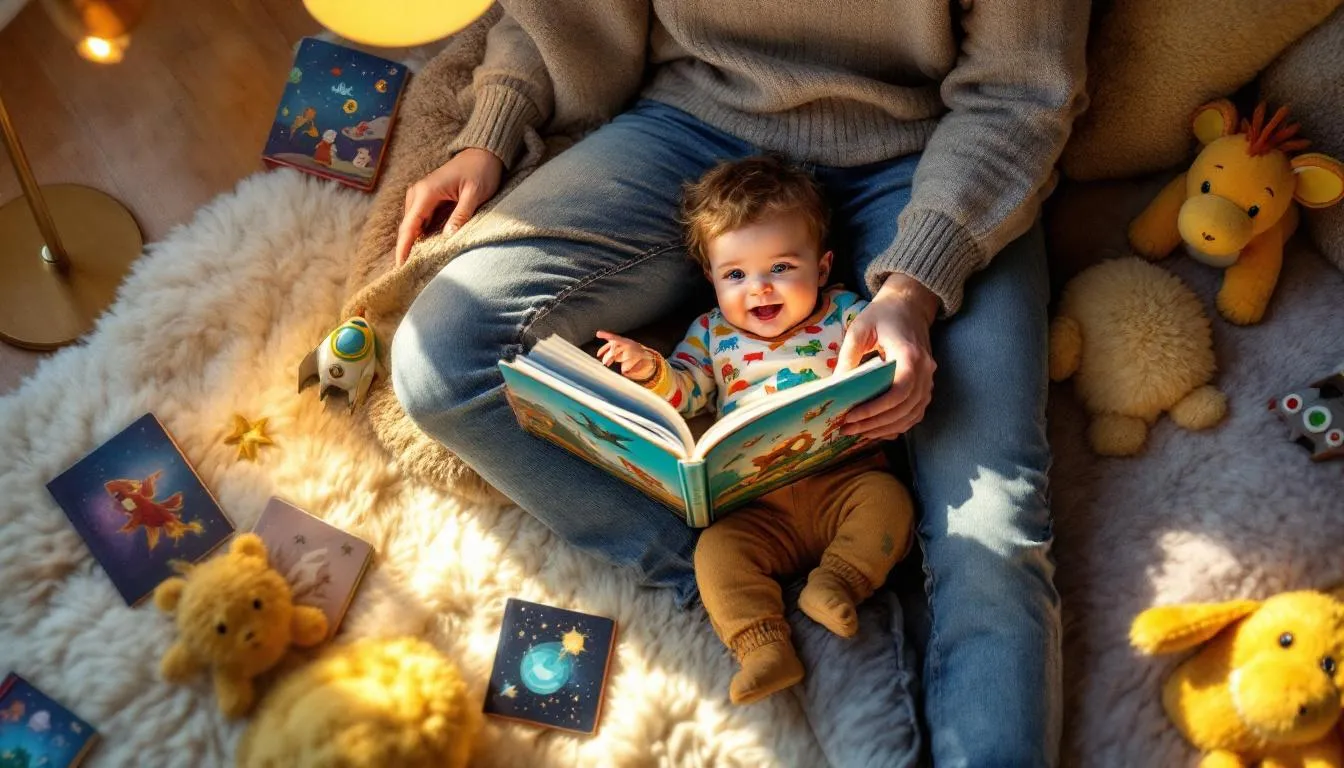
Interactive elements add another layer of engagement. Books featuring flaps to lift, textures to feel, or sound buttons to press make reading an adventure of its own. It’s not just about reading; it’s about exploring and discovering. I remember my son giggling with delight when he’d lift a flap to reveal a surprise or trace his finger along a textured path, feeling like part of the story.
These captivating elements set the stage for fostering imagination, leading us to explore how stories and pictures encourage children to dream big and explore their creativity.
How Do Books Encourage Imagination?
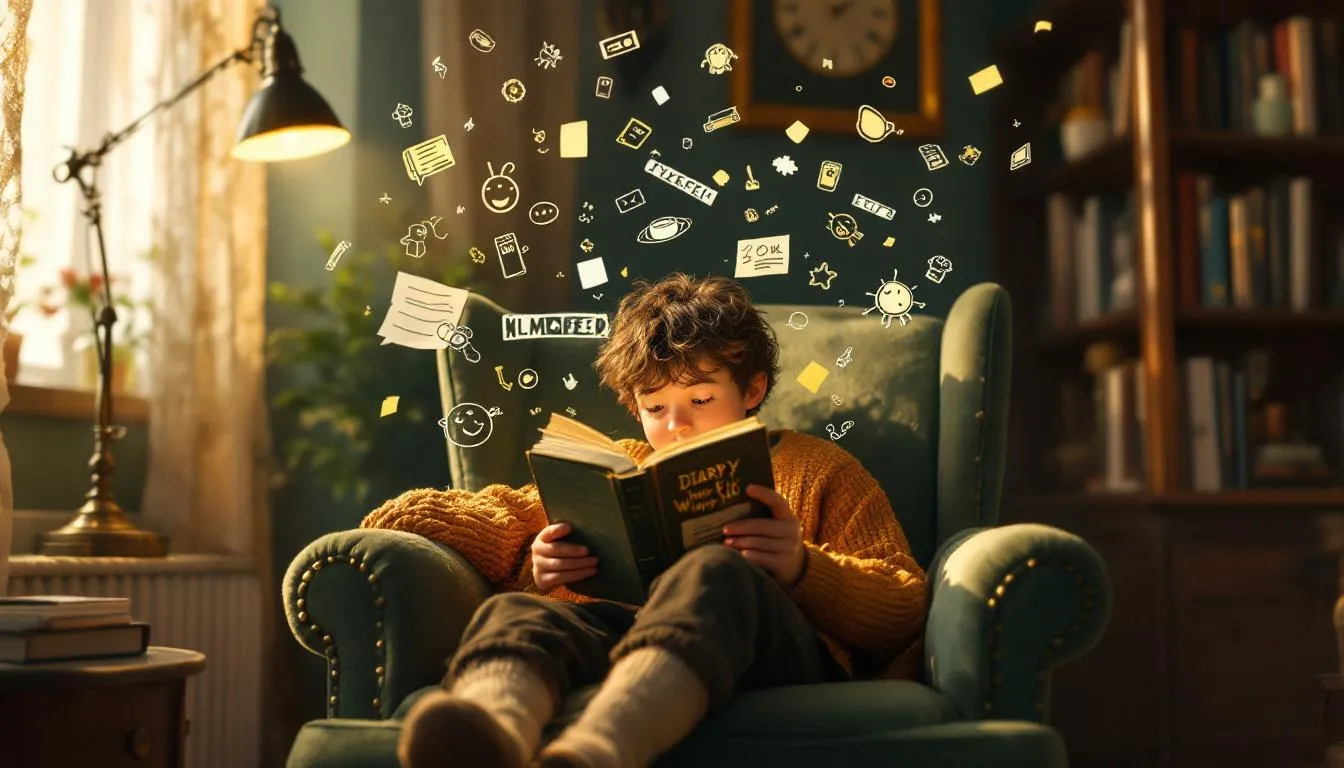
Imagine a child picking up a book and being whisked away to a world where rabbits wear waistcoats, dragons befriend princesses, and trees whisper secrets. These fantasy worlds are more than mere stories—they are playgrounds for the imagination. When children read about fantastical settings, they’re not just following a plot; they’re actively constructing these realms in their minds. This kind of creative thinking is like mental gymnastics, helping young readers stretch their imaginative muscles and think beyond everyday experiences. I remember my son creating an entire imaginary forest in our living room after reading about a magical woodland adventure. The couch became a mountain, the rug a river, and he was the brave explorer navigating it all.
Books also inspire kids to step into the shoes of their favorite characters, encouraging role-playing that brings stories to life. Did your child ever don a cape and declare themselves a superhero after an exciting chapter? Mine did. Through these playful reenactments, children explore different perspectives and develop empathy by imagining what it’s like to be someone else.
Moreover, children’s books often present scenarios that require creative problem-solving. Think about books like “The Gruffalo” by Julia Donaldson, where the clever mouse uses wit to outsmart predators. These stories show children there are multiple ways to tackle a problem, encouraging them to think outside the box. My daughter once devised an elaborate plan to “rescue” her stuffed animals from a “volcano” made of pillows, inspired by a book about daring rescues.
As children’s books encourage imagination, they also naturally lead to fostering curiosity. Through these tales, young minds are not only dreaming but also questioning the world around them.
In What Ways Do Books Foster Curiosity?
Picture a child’s eyes lighting up as they read about faraway lands, diverse cultures, and new concepts they never knew existed. Children’s books introduce young readers to a world beyond their immediate surroundings. When my kids were younger, stories about children from different parts of the world, like “The Name Jar” by Yangsook Choi, opened their eyes to the beauty of diverse traditions and customs. Through these stories, children learn to appreciate differences and develop a more inclusive worldview.
This exposure to diverse narratives not only broadens perspectives but also sparks curiosity. When a story introduces a new concept, it’s like a tiny seed planted in a child’s mind. I remember reading “If You Find a Rock” by Peggy Christian with my son, which led to endless afternoons of rock collecting and questions about geology. These books encourage children to ask “why” and “how,” prompting them to explore and seek answers, turning everyday experiences into learning opportunities.
Moreover, children’s literature often instills a love for learning that stays with them for life. Books like “Ada Twist, Scientist” by Andrea Beaty inspire young readers to embrace their curiosity and never stop questioning the world around them. This kind of storytelling ignites a passion for discovery, making learning an adventure rather than a chore.
As children immerse themselves in these stories, they not only dream and question but also lay the foundation for critical skills that will serve them throughout their lives. This natural progression leads us to consider the broader impact of children’s literature on a child’s overall development.
Why Is Children’s Literature Important for Development?
Children’s literature plays a pivotal role in a child’s development across several domains. For starters, it significantly enhances language and communication skills. Reading aloud stories and engaging in discussions about the plot and characters can bolster a child’s vocabulary. Picture this: my son, after reading “Where the Wild Things Are,” could suddenly articulate emotions like ‘wild’ and ‘mischievous’ with newfound clarity. Stories introduce children to words and phrases they might not encounter in everyday conversations, enriching their language repertoire and helping them express themselves more effectively.
Moreover, these books are instrumental in fostering emotional and social understanding. Through storytelling, children can explore a spectrum of emotions and social scenarios. For instance, books like “The Feelings Book” by Todd Parr can help kids identify and name their emotions, leading to better emotional regulation. Just the other day, my daughter used the phrase “I’m feeling blue, like in the book” to describe her mood—a clear testament to how stories help children articulate their feelings.
On a cognitive level, reading stimulates brain development and imagination. Engaging with stories requires children to visualize the narrative, enhancing their cognitive skills and creativity. Books that pose challenges or mysteries, such as “Harold and the Purple Crayon” by Crockett Johnson, invite children to think critically and exercise their problem-solving skills. This mental engagement is not only fun but crucial for cognitive growth, laying a foundation for skills that are invaluable throughout life.
As we wrap up our exploration of the multifaceted benefits of children’s literature, it’s exciting to consider how these small moments of reading can lead to such profound developmental changes.
Key Takeaways
- Children’s books are essential for nurturing imagination and sparking curiosity.
- Engaging storylines and vibrant illustrations capture and hold children’s attention.
- Reading fosters critical thinking, enhances creativity, and instills a lifelong love for learning.
- Incorporate diverse books to broaden your child’s perspectives and inspire questions about the world.
- Encourage role-playing and discussions about stories to deepen understanding and empathy.
Embrace the journey of exploration with your child through books; each page turned is a step towards a world of endless possibilities.