Table of Contents
Quick Answer
Childhood reads are the books we explore during our formative years, sparking creativity and shaping our worldview. These early literary experiences lay the foundation for our imagination, emotional intelligence, and unique writing styles. Childhood reads leave lasting impressions on how we think, feel, and express ourselves.
As we delve deeper into the realm of childhood literature, we’ll uncover how these stories ignite our imaginations, inspiring us to dream beyond the ordinary.
What Impact Do Childhood Books Have on Imagination?
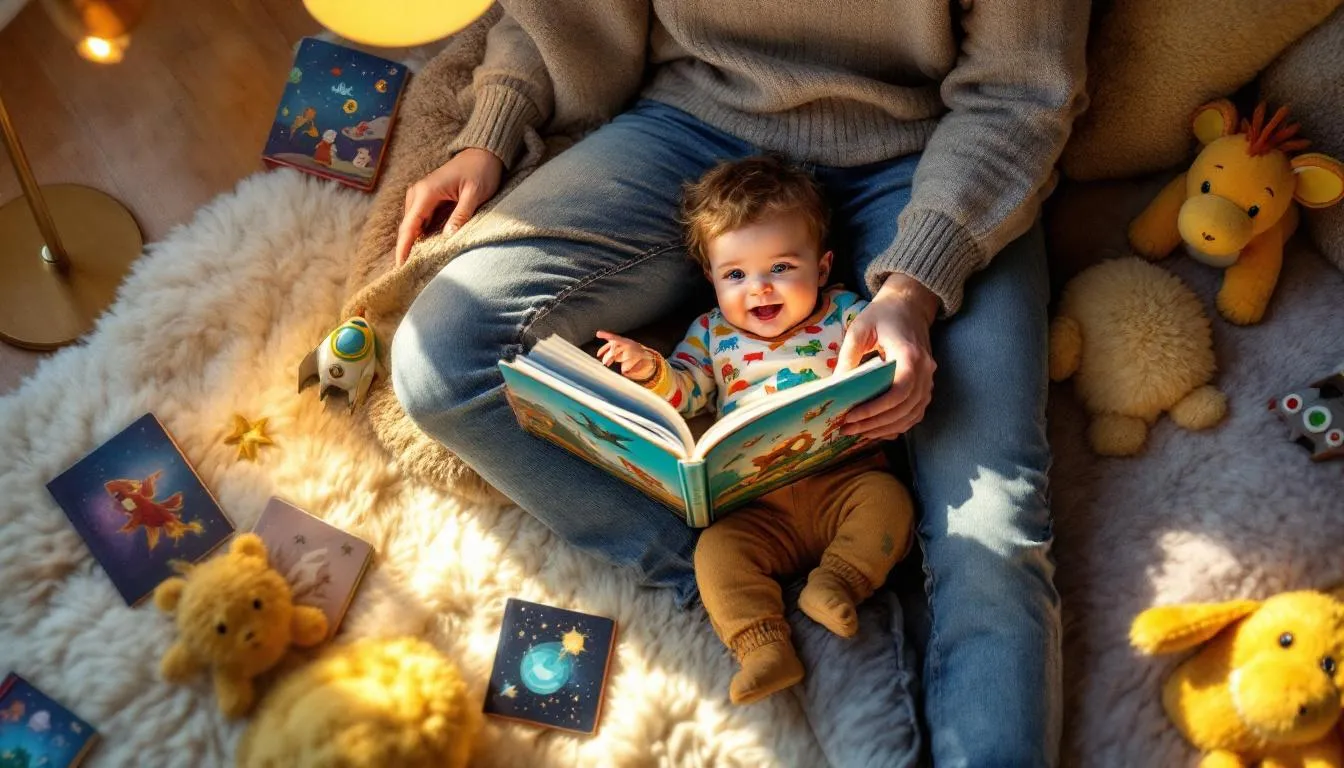
Remember the first time you opened a book and were transported to a magical land, a distant galaxy, or a place where animals could talk? Childhood books serve as gateways to worlds where the impossible becomes possible, stimulating creativity and innovation. These fictional universes encourage children to stretch their imaginations, teaching them to think outside the box and dream big.
Fictional worlds uniquely foster creativity. For instance, reading about a character with a flying carpet might inspire a child to envision inventive modes of transportation. This kind of creative thinking can evolve into innovative solutions in real-life situations as they grow older.
Many authors have been profoundly inspired by the books they read in their formative years. J.K. Rowling, for example, often credits stories like “The Chronicles of Narnia” for shaping her imagination and storytelling abilities.
Childhood reads can either limit or expand a child’s worldview, depending on the diversity of narratives they encounter. Diverse books introduce children to various cultures, perspectives, and ideas, fostering empathy and understanding. However, a lack of diversity can lead to a narrow worldview and potential stereotyping if children only read books featuring similar characters and settings.
As we explore the emotional impact these stories have, it’s crucial to remember that books do much more than entertain. They teach, guide, and mold how we interact with the world and others.
How Do Childhood Reads Affect Emotional Development?
When a child curls up with a book, they embark on a journey that transcends entertainment. These stories are powerful tools in shaping emotional development, teaching empathy, and nurturing emotional intelligence.
Building Empathy and Emotional Intelligence
Books introduce children to characters different from themselves, allowing them to walk in another’s shoes. This fosters empathy, as children begin to understand and relate to various emotions and experiences. I remember reading “Charlotte’s Web” and feeling deeply connected to Wilbur’s feelings of fear and loneliness. Through this connection, I learned compassion and how to empathize with others.
Understanding Characters’ Emotions
Through characters’ triumphs and tribulations, children learn to identify and articulate their own emotions. When Harry Potter experiences the loss of a loved one, young readers can relate to feelings of grief and sorrow, even if they’ve never experienced a similar loss. This understanding helps children process their feelings in real life.
Relating to Diverse Experiences
Engaging with diverse narratives enhances a child’s emotional intelligence by exposing them to different life experiences and cultures. Books like “The Name Jar” help children appreciate diversity and cultivate an open-minded perspective, essential for interacting in our global community.
Influence of Genre on Emotional Growth
Different genres can leave varied emotional impacts. Adventure tales might inspire courage, while spiritual warfare fiction can introduce concepts of morality and resilience. A child reading “The Lion, the Witch and the Wardrobe” might ponder deeper themes of good versus evil, enriching their understanding of the world.
Emotional Resilience Through Storytelling
Stories often depict characters overcoming adversity, inspiring children to develop resilience. Reading about how Matilda triumphs over her oppressive environment can encourage a child to persevere through their challenges.
The emotional depth and complexity found in childhood literature lay the groundwork for more than just empathy and resilience. They set the stage for how children might express themselves in writing, weaving their emotional experiences into the stories they create.
In What Ways Do Childhood Books Shape Writing Styles?
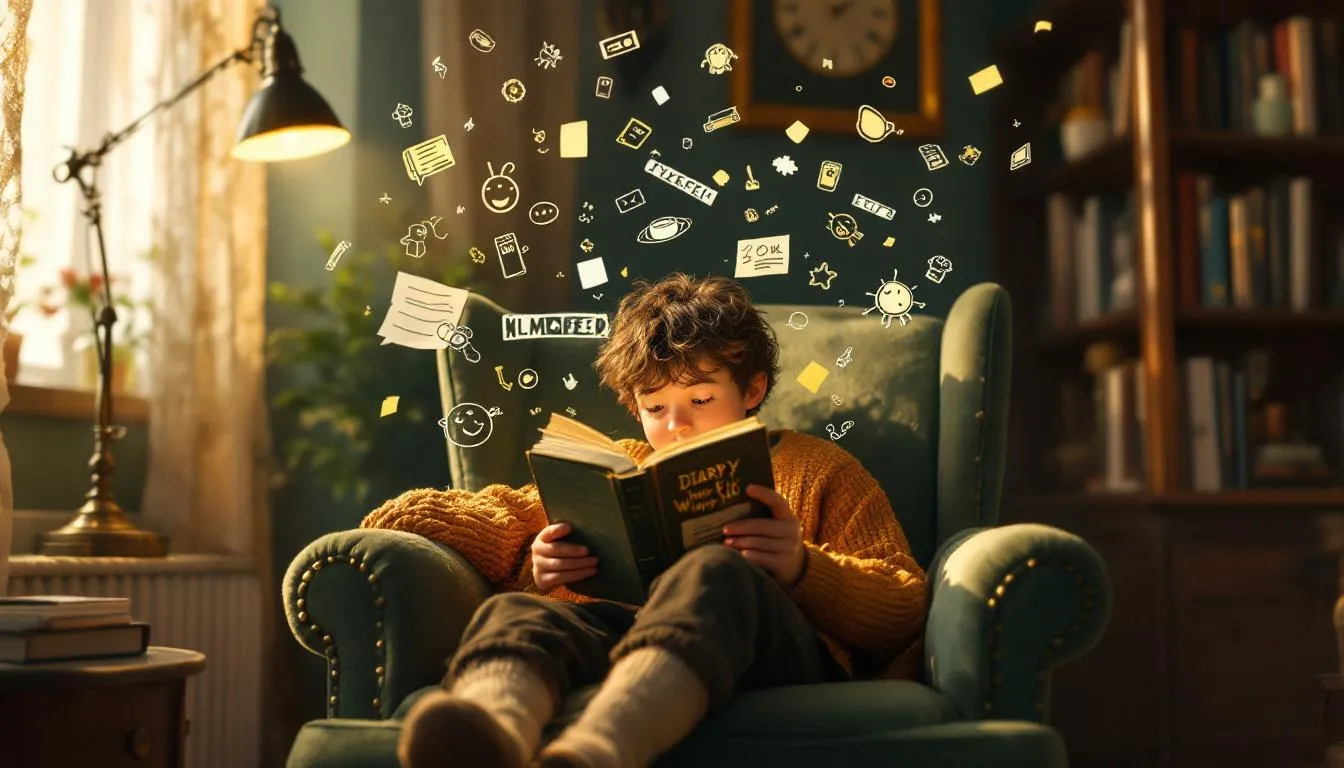
Recall those early days when you were just learning to string words together. The stories we read as children play a crucial role in developing our language and literary style. The rhythmic lull of Dr. Seuss or the whimsical prose of Roald Dahl not only entertained us but also laid the foundation for our language skills.
Let’s discuss vocabulary. Childhood reads introduce us to a vast array of words and phrases. I vividly remember sitting with “The Wind in the Willows” and encountering words like “jovial” and “melancholy.” These early experiences enrich our language and become part of our expressive toolkit, influencing how we communicate and write.
As we mature, these linguistic building blocks morph into our personal writing styles. Whether we favor the descriptive flair inspired by J.R.R. Tolkien’s lush landscapes or the crisp, direct narrative often found in children’s mysteries, our early reads shape our unique voice.
Genres leave a lasting impression. A child who devours fantasy tales might grow up to create intricate worlds like those in C.S. Lewis’s “Chronicles of Narnia.” Conversely, a passion for mysteries might inspire concise, suspense-driven writing akin to Agatha Christie’s work.
Consider Neil Gaiman, whose works are heavily influenced by the fantasy and mythology he adored as a child. His writing reflects a seamless blend of otherworldly and real-world elements, captivating readers with every sentence.
These early literary experiences can lead to surprising outcomes, influencing not just our writing but various facets of our personality and career choices.
What Are the Unexpected Outcomes of Childhood Reading?
Childhood reading often brings surprises beyond imagination and emotional growth, some of which we might never expect.
Unforeseen Positive Effects
Books plant seeds that grow into lifelong passions, sparking a love for reading that lasts a lifetime. This passion for reading becomes a comforting refuge and a source of endless learning.
Potential Negative Impacts
Not all outcomes are beneficial. Some stories might reinforce unrealistic expectations, potentially leading to disappointment when reality doesn’t align.
Lifelong Love for Reading
A child’s early exposure to enchanting tales can lead to an enduring love affair with books. This love not only enhances cognitive development but also provides joy and solace throughout life.
Reinforcement of Unrealistic Expectations
While wonderfully imaginative, stories where every problem is solved with magic or heroics might skew a child’s perception of real-world problem-solving.
Inspiration for Career Choices
Books can significantly influence career paths. Narratives often illuminate possibilities we might not have considered otherwise, inspiring careers in various fields.
Anxiety from Intense or Dark Themes
Intense themes can sometimes evoke anxiety in young readers. Tales filled with peril or sadness might be overwhelming, especially if they touch on fears or insecurities the child hasn’t yet verbalized.
Childhood reads are a double-edged sword, offering both incredible opportunities for growth and a few pitfalls to be mindful of. As we continue to explore the profound influence of early reading experiences…
Key Takeaways
- Childhood reads spark creativity, fuel emotional growth, and shape writing styles.
- Exposure to diverse genres broadens perspectives and fosters empathy.
- Awareness of potential negative impacts, like unrealistic expectations, is essential.
- Encourage a balanced reading diet to nurture well-rounded development.
- Celebrate the joy of reading by exploring stories that challenge and inspire.
Nurture your child’s love for books, and watch their imagination and understanding of the world flourish. Every story is a step towards a brighter, more empathetic tomorrow.