Table of Contents
Quick Answer
Game design education began taking shape in the 1980s, as computers became household items and video games captivated imaginations globally. During this era, the 1986 Ukrainian SSR game design textbook emerged as a pioneering educational resource. It introduced children to the principles of creating interactive digital experiences, marking one of the earliest formal attempts to teach game design to young minds and paving the way for future developments in the field.
The story behind this educational innovation offers fascinating insights into how game design concepts were introduced to budding designers.
What Was the 1986 Ukrainian SSR Game Design Textbook?
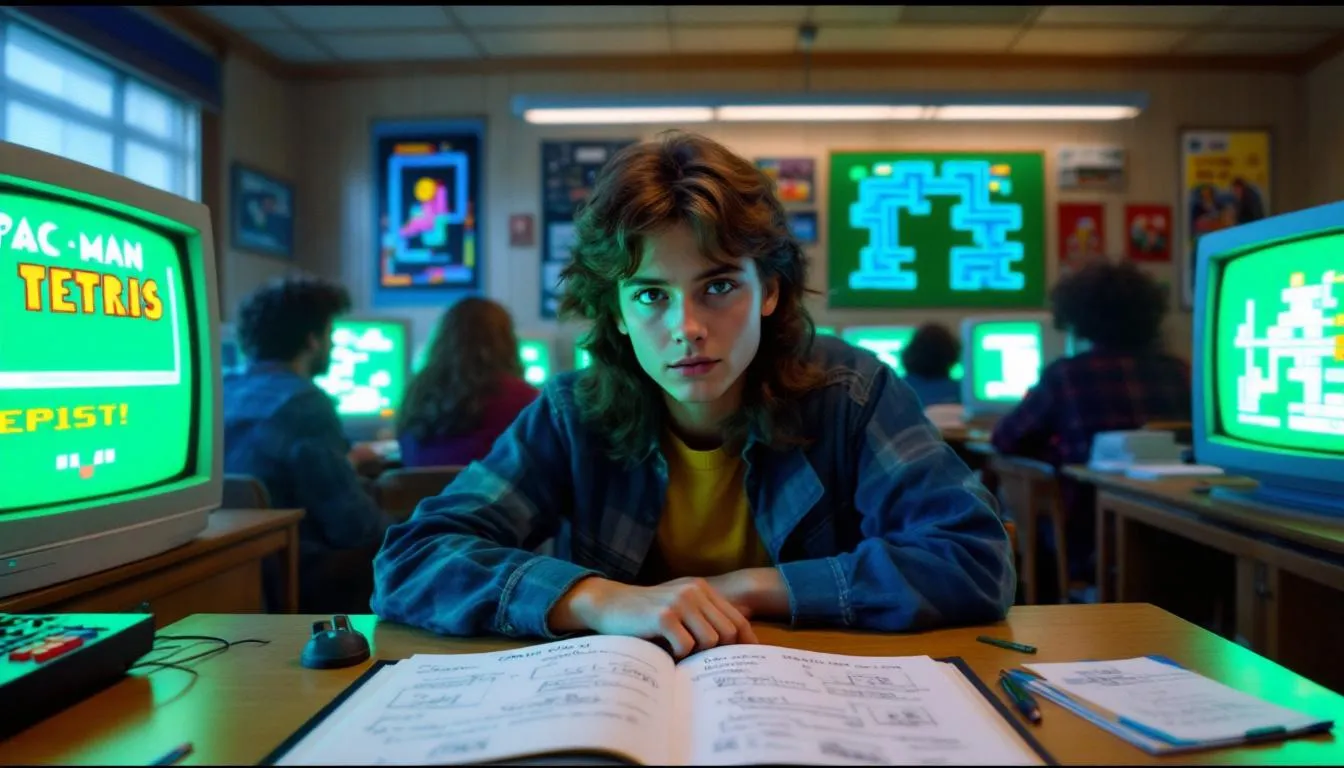
In the 1980s, video games evolved from simple pixelated adventures to more complex narratives, and the creation of the 1986 Ukrainian SSR game design textbook marked a significant milestone. Imagine a time when “game” meant Pac-Man and Tetris, and suddenly, young minds were learning not just to play but to create.
The textbook emerged from a unique blend of technological curiosity and educational innovation. Forward-thinking educators and tech enthusiasts recognized the potential of video games as a new form of storytelling and interaction. They aimed to equip students with skills to harness this potential, much like a modern art class might introduce the basics of painting or sculpture.
The content was revolutionary for its time. It went beyond coding or programming, delving into the principles of game design, encouraging students to consider user experience, narrative flow, and game mechanics. The objectives were clear: teach students to think critically and creatively about digital interactions.
If I had been a student back then, diving into this textbook would have felt like unwrapping a new game console at Christmas—a gateway to a universe where imagination could translate into tangible, interactive experiences.
This pioneering approach didn’t just impart technical skills; it introduced a new way of thinking. The influence of this educational tool on game design education is undeniable, shaping how we see and teach the craft today.
How Did the Textbook Influence Game Design Education?
The 1986 Ukrainian SSR game design textbook was more than a manual; it was a gateway into the evolving digital world that captivated young minds. It taught kids to view games not just as something to play, but as something they could create, akin to giving them a superpower.
At a time when kids were mostly passive consumers of video games, this textbook encouraged them to become active creators. It was like teaching a child to write their own stories rather than just reading them. Here’s how it made a difference:
Reflecting on this, it’s clear that the Ukrainian SSR textbook was ahead of its time, laying a foundation that modern education has built upon. It prompts us to consider other unexpected pioneers in educational innovation.
Why Was the Ukrainian SSR Ahead of Its Time?
The 1980s were a vibrant era of cultural and technological advancements, with computers gradually becoming household staples. In the Ukrainian SSR, this backdrop of cultural dynamism met a unique educational philosophy. Known for its strong emphasis on education and innovation, the country was fertile ground for groundbreaking ideas. The 1986 game design textbook emerged from this environment, where educators were eager to push the boundaries of traditional teaching methods. They saw video games not just as entertainment but as a medium to teach complex concepts, from storytelling to problem-solving.
Several factors contributed to this forward-thinking approach:
- Educational Philosophy: A focus on holistic education, integrating arts and sciences, aligned well with the multidisciplinary nature of game design.
- Technological Curiosity: Enthusiasm for technology sparked curiosity and encouraged experimentation among educators and students.
- Creative Encouragement: Creativity was encouraged within educational frameworks, allowing the textbook to channel youthful imagination into productive learning.
These factors combined to create an environment ripe for innovation. Exploring further, these early lessons offer valuable insights into today’s evolving landscape of game design education.
What Can We Learn from Early Game Design Education?
Reflecting on my own early encounters with technology, I remember the thrill of tinkering with my first computer. It was a clunky machine with a glowing green screen, but it felt like magic. This mirrors the essential lesson from early game design education: the power of introducing young minds to technology and design thinking early.
The Ukrainian SSR game design textbook taught kids not just to consume technology but to create with it, an approach incredibly relevant today as we prepare students for a future where technology and creativity intertwine. Key lessons include:
- Encouraging Creativity: Just as children learned to design games, educators today can inspire students to use technology as a canvas for creativity, encouraging them to see beyond mere consumption.
- Early Exposure: Introducing students to technology and design thinking early can spark lifelong passions and career paths, turning curious minds into innovative creators.
- Interdisciplinary Learning: Combining art, storytelling, and technology, as the textbook did, mirrors the real-world skills needed in modern careers.
My experience with early tech taught me the joy of problem-solving and the thrill of creating something new. These lessons remain essential as we look to the next chapter in game design education, shaping today’s educational landscape and setting the stage for future innovations.
How Has Game Design Education Evolved Since Then?
Since the pioneering efforts of the 1980s, game design education has transformed dramatically, branching into diverse and exciting directions. It’s like watching a single seed grow into a lush forest, with each tree representing a different aspect of how we teach and understand game design today.
One major milestone was the establishment of dedicated game design programs at universities worldwide. By the early 2000s, institutions began offering specialized degrees, recognizing the industry’s growth and demand for skilled creators. These programs often combine art, computer science, and storytelling, reflecting the interdisciplinary nature of game design.
Technological advancements, such as powerful game engines like Unity and Unreal Engine, have made game development more accessible, allowing students to create complex projects with ease. These tools have democratized game design, much like how the internet opened new avenues for learning and collaboration.
Current trends in game design education focus heavily on user experience and narrative design, areas that were merely touched upon in the early days. There is also a growing emphasis on inclusivity and diversity in games, encouraging students to create experiences that reflect a broader range of voices and perspectives.
As we look forward, the future of game design education seems poised to embrace virtual and augmented reality technologies, preparing students for the next wave of interactive storytelling. These developments remind us of the potential for innovation and creativity in education.
Key Takeaways
- The 1986 Ukrainian SSR textbook was a groundbreaking initiative, introducing game design as a formal educational subject.
- Pioneering educational resources like this textbook play a crucial role in inspiring creative thinking and innovation among young learners.
- The textbook’s influence is evident in modern game design programs, highlighting the importance of early exposure to interdisciplinary learning.
- Encouraging creativity and problem-solving skills through game design fosters a generation of innovative thinkers.
Embrace the opportunity to introduce technology and creativity to young minds, nurturing the next wave of innovators.