Table of Contents
Quick Answer
The 1980s were a golden era for cinema, sparking imaginations with iconic films that left a lasting cultural footprint. These movies, rich in adventure, friendship, and fantasy, have inspired a generation of children’s book authors to weave similar magic into their stories. In essence, 80s movies have sparked a wave of children’s literature that captures the same thrilling spirit and timeless themes.
Drawing from the nostalgic charm of these films, authors have crafted narratives that echo the adventurous spirit of the era.
What Themes from 80s Movies Resonated with Authors?
When we think of 80s movies, vibrant themes of friendship and adventure often come to mind, evoking a warm sense of nostalgia. These themes have seamlessly woven their way into children’s literature, creating stories that resonate deeply with young readers.
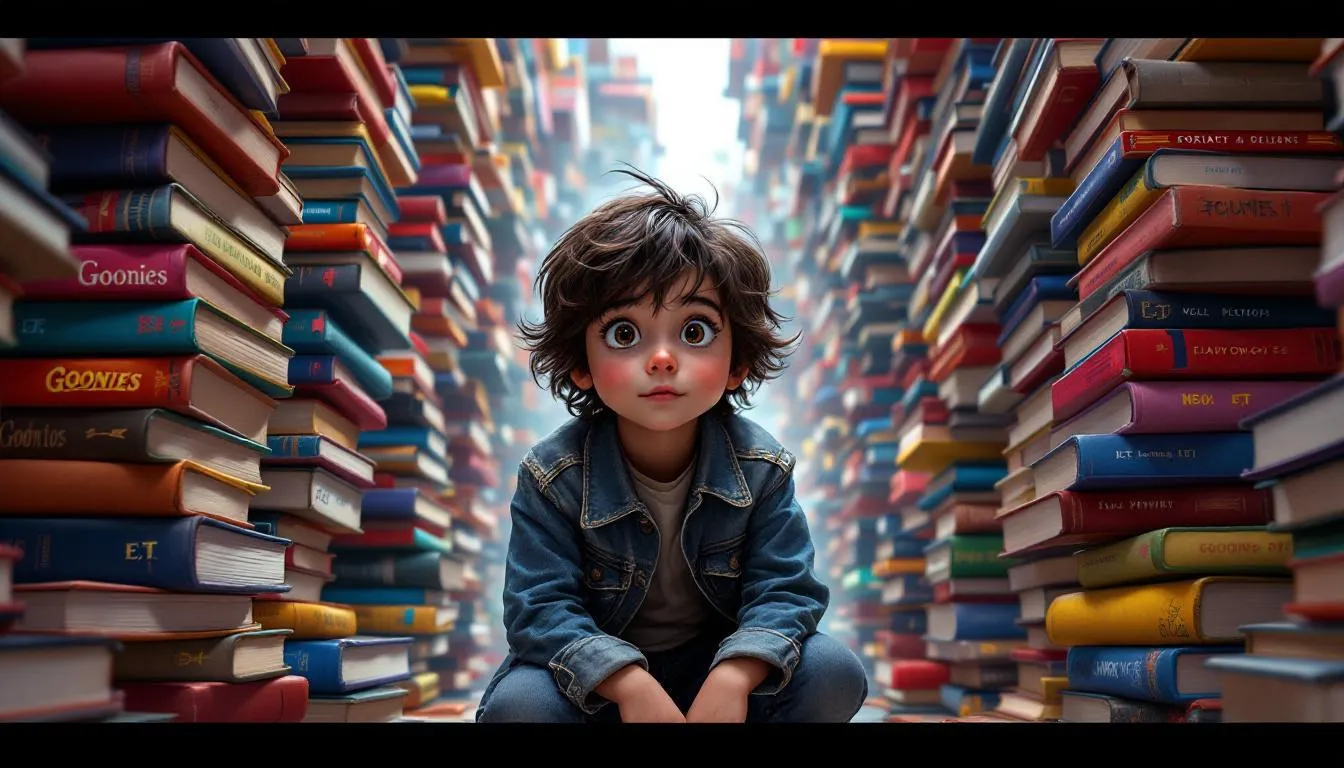
Consider “The Goonies.” This film epitomizes a treasure hunt adventure where a ragtag group of kids embarks on a quest, overcoming obstacles through friendship. Many children’s books capture this essence, encouraging readers to value camaraderie and the thrill of exploration. I remember watching “The Goonies” and imagining my backyard as a treasure island, plotting with friends to unearth hidden wonders. It’s a timeless narrative that authors translate into colorful pages, inspiring kids to dream big.
Then there’s “E.T.,” which showcases the profound bond between a boy and an alien, highlighting the magic of connection despite differences. Authors have embraced this theme, introducing characters who form unlikely friendships, teaching kids that differences can be bridges rather than barriers.
The 80s also celebrated the triumph of good over evil, a theme that never goes out of style. Films like “Star Wars” and “Indiana Jones” enthralled audiences with epic battles and heroic journeys. These stories have inspired books where young heroes face daunting challenges, fueling readers with courage and hope. I vividly recall pretending to be Indiana Jones with my dad’s old hat, feeling invincible as I dodged imaginary boulders in my living room. This sense of adventure is something authors strive to instill in their stories, sparking a fearless spirit in young readers.
As we explore further, the influence of iconic characters from these movies becomes even more apparent in the pages of children’s books.
How Did Characters from 80s Movies Influence Book Protagonists?
Picture this: a scrappy, lovable underdog who doesn’t quite fit in but ultimately saves the day. Sounds familiar, right? Characters from 80s movies have an uncanny knack for being both extraordinary and relatable, a combination that has greatly influenced book protagonists. Many authors have borrowed this formula, crafting characters that mirror the iconic heroes of the silver screen.
Consider the transformation of film characters into relatable book heroes. Think of Marty McFly from “Back to the Future.” Marty was just an average teenager thrown into extraordinary circumstances, a theme that children’s book authors have embraced. These protagonists are often regular kids who discover incredible abilities or find themselves on unexpected journeys, making them both aspirational and relatable to young readers.
Another striking trend is the rise of strong, independent characters inspired by 80s heroines. Films like “The NeverEnding Story” introduced us to Atreyu, a determined and brave young warrior. Authors have translated this into children’s books, creating characters who are resourceful and courageous, often leading quests and facing challenges head-on. These characters encourage readers to find their own strength and resilience.
A standout example is Sarah from “Labyrinth,” a character who combines vulnerability with fierce determination. Her journey through the labyrinth to rescue her brother is a tale of personal growth and bravery. Authors have taken inspiration from Sarah, crafting stories with protagonists who embark on their own labyrinthine adventures, learning valuable life lessons along the way.
With these vibrant characters leading the charge, it’s no wonder these stories continue to capture the hearts and imaginations of young readers. Let’s now uncover how the captivating storylines of the 80s have been cleverly adapted into the pages of children’s books.
In What Ways Have 80s Storylines Been Adapted?
The 1980s movies have left an indelible mark on children’s literature, with stories borrowing not only direct plotlines but also thematic elements. Some authors opt for direct adaptations, transforming iconic movie plots into books that allow a new generation to experience the same adventures. For instance, the film “The NeverEnding Story” was directly adapted into a book, complete with its enchanting settings and moral lessons.
Meanwhile, others draw thematic inspiration, taking the spirit of these movies and weaving it into entirely new narratives. A book might not involve time travel like “Back to the Future,” but it could explore the concept of being out of one’s element and discovering hidden strengths. This thematic borrowing allows authors to infuse their stories with the same adventurous essence without relying on exact replicas.
Nostalgia plays a significant role in this storytelling magic. It acts like a warm hug from the past, inviting both children and their parents into a shared experience. Parents who grew up with these films often relish sharing the essence of those stories with their kids through books. It’s like passing down a beloved family recipe, where the ingredients might change slightly, but the heart remains the same.
Authors skillfully balance the old and new, crafting tales that captivate young readers while nodding to the past. They create worlds where both new readers and their parents can find joy, blending timeless themes with fresh perspectives. This delicate dance between nostalgia and innovation keeps these stories alive and vibrant, ensuring they continue to captivate imaginations for generations to come.
Why Do These Books Capture Young Readers’ Imaginations?
Capturing young imaginations is about spinning a tale that holds them tight, much like the 80s movies did for us. These children’s books, inspired by those films, excel in using engaging storytelling methods that draw kids into their pages. Whether it’s a heart-pounding adventure or a tender moment of friendship, authors have mastered the art of storytelling that resonates with kids.
Humor, suspense, and relatable dilemmas play crucial roles. I remember reading a book with my child that had us both giggling uncontrollably at the antics of a mischievous protagonist, reminiscent of the light-hearted fun seen in 80s comedies. This humor, paired with suspenseful twists, keeps kids on the edge of their seats, eager to turn the page and discover what happens next, much like watching “The Princess Bride” for the first time.
The universal appeal of 80s nostalgia isn’t just for us parents; it seeps into children’s narratives in a way that feels fresh yet familiar. Authors cleverly weave nostalgia into their stories, creating a magical connection between generations. It’s like opening a time capsule but with a new twist, allowing young readers to experience the same wonder their parents did, albeit in a different form.
There’s something enchanting about sharing a story that harks back to a simpler time yet speaks directly to the hearts of today’s kids. This blend of nostalgia and engaging storytelling not only captures imaginations but also forges a bridge between past and present. It’s a delightful journey, one that leaves readers eager for more. For a truly unique and engaging storytelling experience, KidTeller creates a personalized storybook where your child is the hero. Just upload a photo, and they’ll generate a custom book filled with adventures made especially for your toddler or young child – magical, memorable, and uniquely theirs.
Key Takeaways
- 80s films inspired children’s books with themes of friendship, adventure, and good vs. evil.
- Iconic movie characters have shaped book protagonists, making them relatable and aspirational.
- Nostalgia and modern storytelling blend to captivate new generations of readers.
- Authors use both direct adaptations and thematic inspirations to appeal to diverse audiences.
- Embrace storytelling as a tool to connect with your child, bridging your own nostalgic moments with their new discoveries.
Remember, every story shared with your child is an opportunity to inspire and ignite their imagination. Consider exploring resources like Dolly Parton’s Imagination Library for curated book recommendations and even free books to foster a love of reading from a young age.