Table of Contents
Quick Answer
A kids’ book organizer is a practical tool that keeps your child’s library tidy and accessible. Think of it as a magical bookshelf for storytime that helps kids find their favorite tales without turning the room upside down. To create an effective organizer, categorize the books, ensure storage is within their reach, and make the process an engaging activity for them.
Let’s explore what you’ll need to bring this helpful organizer to life.
What Materials Do You Need?
Creating a kids’ book organizer involves more than just piling books together. To build an organizer that truly works, gather some essential materials and, if you’re feeling crafty, add a bit of creativity.
Start with the basics:
- Bins or Baskets: Perfect for storing books of varying sizes, especially oversized picture books. I found a colorful set of bins at a dollar store that transformed our cluttered book corner into a neat little library.
- Shelves: Adjustable shelves grow with your child’s collection. A simple wall-mounted shelf can work wonders. My daughter loves her low bookshelf where she proudly displays her favorite books with the covers facing front.
- Labels: Labels are the unsung heroes of organization, helping kids (and parents) know what goes where. You can print them or handwrite them for a personal touch. I initially used sticky notes, which turned into a labeling party with my son’s favorite dinosaur stickers.
For added fun and personality, consider these optional materials:
- Paint: Let your child choose their favorite colors for a personal touch. My niece loved painting her bookcase sky blue, claiming it made her bedtime stories feel like adventures in the clouds.
- Stickers or Decals: These can turn any plain organizer into a whimsical wonderland. We once decorated shelves with sparkly unicorn stickers, making tidying up feel like a magical quest. For more craft ideas and activities, check out the Busy Toddler blog.
Once you’ve gathered your materials, you’re ready to start organizing those beloved books. Next, I’ll share tips on maximizing these materials to create an organized and inviting space for your little reader.
How Do You Organize Kids’ Library Books?
Imagine entering a room where children’s books are categorized like a miniature library—sounds dreamy, right? Organizing kids’ library books can be as magical as the stories they hold, with a bit of strategy and creativity.
Start by categorizing the books. Organize them by genre, author, or theme. For instance, you could have a “Fantastic Fairy Tales” section or a “Daring Dinosaur Adventures” stack. To spark further interest in topics like animals and science, the National Geographic Kids YouTube channel offers engaging videos. This makes it easier for kids to find what they’re in the mood for and teaches them how libraries work—an invaluable lesson! Programs like Dolly Parton’s Imagination Library further foster this love for reading by providing free books to children. I recall when my son proudly recited his favorite authors’ names; it was like he was showing off a secret clubhouse password.
Alternatively, arrange books by reading level or frequency of use. Place the most-read books at eye level or within easy reach. This way, beloved bedtime stories are always accessible, avoiding a nightly treasure hunt. I once mistakenly put my daughter’s favorite book on a high shelf, leading to a grumpy bedtime story fan.
With books neatly categorized, the fun doesn’t have to end there. The next step is to infuse some creativity into your organizer, making it a delightful part of your child’s room.
What Are Some Creative Organizer Ideas?
When creating a unique and engaging book organizer for your kids, the sky’s the limit! Here are some inventive ideas that add practicality and whimsy to your child’s space.
DIY Bookshelf Projects: Building a bookshelf with your child is incredibly rewarding. Whether it’s transforming a simple wooden crate into a reading nook or repurposing an old ladder into a quirky shelf, the possibilities are endless. I once crafted a tree-shaped bookshelf with my son, painting it in vibrant greens and browns. It became the centerpiece of his room.
Baskets or Bins: Think beyond plain bins. Consider fabric bins with fun patterns or wicker baskets for a rustic feel. Baskets can serve a dual purpose: storage and decoration. I placed colorful baskets around my daughter’s room, each dedicated to a different book theme. It made tidying up a game, as she’d “hunt” for the right basket to fit her current book.
Incorporating Labels and Color Coding: Labels can be both functional and fun. Use colorful tags or mini chalkboards to label sections. Color coding adds another layer of organization. For instance, use different colored bins for different genres or authors. This method helps kids find their books and teaches them about organization. My son loved this approach, especially when he got to stick superhero-themed labels on his favorite sections.
These creative ideas are just the beginning. Let’s explore how to infuse even more fun into the organizing process, turning it into an activity your kids will look forward to and cherish.
How Can You Make the Organizer Fun for Kids?
Making the organizer fun for kids is as crucial as the organization itself. When kids see the book organizer as a source of joy, they’re more likely to keep it tidy. Involve them in the design and organization process. When I set up my daughter’s book nook, I let her pick the colors and decorations. We had an art day painting her bookshelf together, and she chose her favorite stickers to personalize the space. It became a special project, and she felt a sense of ownership over her book corner.
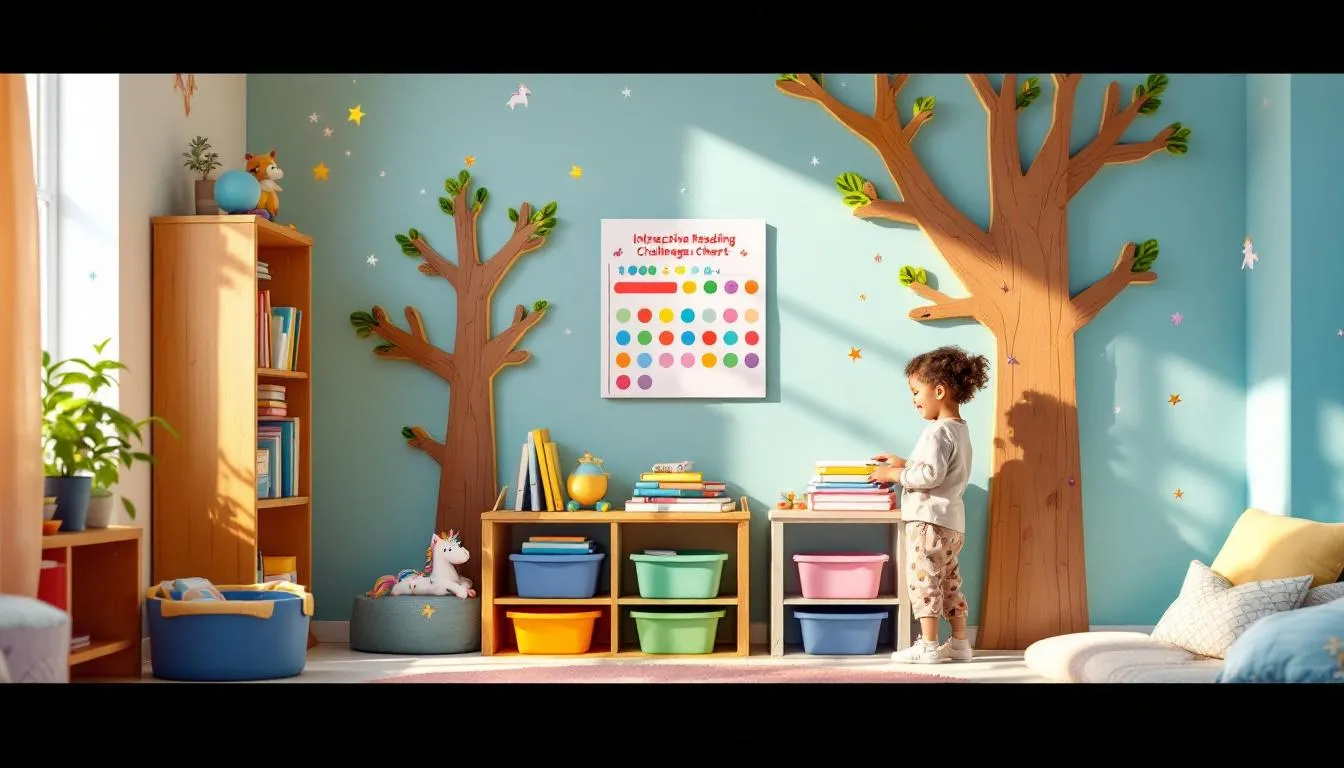
Interactive elements can make organizing books exciting. Consider adding a reading challenge chart near the organizer. This could be a colorful chart where kids place stickers or stars each time they finish a book. My son loves a good challenge, and we turned it into a friendly competition with small rewards for reaching certain milestones. For active storytime and mindfulness, the Cosmic Kids Yoga YouTube channel provides fun videos. This encouraged him to read more and made him eager to keep his books in order.
To further enhance the reading adventure, consider exploring personalized story options online. For instance, KidTeller creates a personalized storybook where your child is the hero. Just upload a photo, and we’ll generate a custom book filled with adventures made especially for your toddler or young child – magical, memorable, and uniquely theirs.
By integrating these playful elements, the organizer becomes more than just a storage solution; it becomes part of your child’s reading adventure. Keeping the space appealing and organized will naturally lead to a routine of maintaining it, ensuring your little one’s book collection remains a beloved treasure trove.
How Do You Maintain the Organizer?
Maintaining a kids’ book organizer might sound daunting, but with simple strategies, it can become a seamless routine. Regularly update book categories. As your child’s interests evolve, so should the organization of their books. For instance, if your little one suddenly loves space adventures, create a new “Outer Space” section. In our house, the bookshelf grows with my son’s changing passions—from dinosaurs to detectives, and most recently, superheroes.
Teach kids to return books to their designated spots. This might sound like herding cats, but trust me, it can be done! Make it a fun game. We have a “Book Detective” role in our family, where my daughter and her brother ensure all books return to their rightful homes. It’s amazing how quickly they’ve turned into neat little librarians, saving me from a nightly book scavenger hunt.
Consistency is key. Dedicate time each week to check the organizer together, ensuring everything is in order. This routine reinforces the habit and provides a great opportunity to bond over shared stories and discover new favorites. For more expert advice on child development, Zero to Three is a valuable resource.
By keeping the organizer fresh and involving your kids in its upkeep, you’ll foster a sense of responsibility and pride in their library. It’s a win-win for both organization and family time! Let’s wrap up with key insights and actionable steps to ensure your organizer remains a beloved part of your child’s reading journey.
Key Takeaways
- A structured book organizer fosters a love for reading and teaches valuable organizational skills. Educational platforms like Khan Academy Kids and Starfall also offer great resources for early learning and reading development.
- Gather essential materials like bins, shelves, and labels to create a versatile, kid-friendly system.
- Involve children in the setup process to instill a sense of ownership and pride in their personal library.
- Make organizing fun with interactive elements, like reading challenge charts and colorful labels.
- Regular maintenance and adapting to changing interests keep the organizer fresh and engaging.
Embrace the joy of creating a magical reading space that grows with your child, nurturing both their imagination and responsibility.