Table of Contents
Quick Answer
Children’s books are delightful treasure troves where the magic of storytelling often intersects with the vibrant world of pop culture. Authors cleverly weave subtle nods to popular films, music, and even memes, creating a familiar and engaging experience for both young readers and their parents. Yes, children’s books frequently honor pop culture, enriching stories and making them relatable for readers of all ages.
Have you ever noticed a character who seems reminiscent of that famous wizard boy with glasses? These references are more common than you might think.
What Are Pop Culture References in Children’s Books?
Pop culture references in children’s books are those charming nods to movies, music, TV shows, and even internet memes that have shaped our collective experience. Imagine reading a story to your child and suddenly thinking, “Hey, that sounds like a scene from that superhero movie we just watched!” These references serve as a bridge between the imaginary worlds in books and the real-world interests of kids and adults alike.
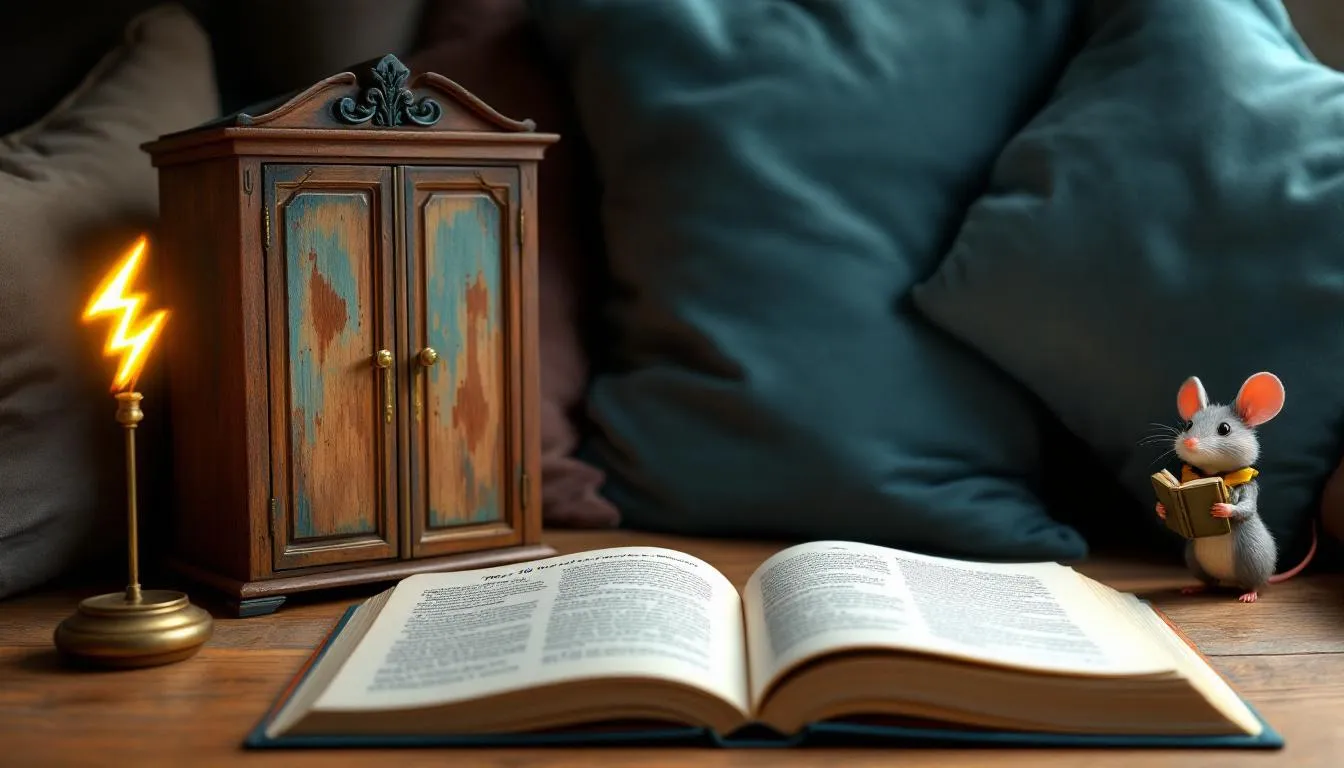
In children’s literature, you might encounter a character reminiscent of a boy wizard with a lightning bolt scar or a scene where characters form a friendship circle akin to a popular TV sitcom. These are not mere coincidences but clever ways authors connect with their audience.
Common references include:
- Movies and TV Shows: Characters might embark on an epic quest reminiscent of a galaxy far, far away or showcase teamwork like a group of mystery-solving teenagers with a talking dog.
- Music: Characters may share traits with famous pop stars or bands—imagine a duck quacking about its “Bad Romance.”
- Memes: Even internet memes sneak into stories, with characters as dramatic as the “Dramatic Chipmunk.”
When authors sprinkle these references throughout their stories, it not only makes the narrative more engaging but also opens up exciting discussions between parents and kids about where they’ve seen similar ideas before. Let’s explore how authors weave these references into their tales…
How Do Authors Incorporate Pop Culture?
Imagine a children’s book author’s toolkit, filled with vibrant colors, whimsical words, and a sprinkle of creativity. Among these tools, pop culture references stand out as a secret weapon. Authors employ a variety of clever techniques to incorporate these references, making them both subtle and entertaining.
One technique is through character parallels. Authors create characters that reflect well-known figures from movies or TV shows, allowing young readers to feel an instant connection. For instance, a book might feature a wise old mentor resembling a certain Jedi master, complete with sage advice and a mysterious aura.
Another approach is through plot echoes. This involves crafting storylines that mirror popular films or series. A tale of a ragtag group of friends embarking on a quest may echo the adventurous spirit of a certain ring-bearer’s journey. These echoes resonate with readers, drawing parallels to beloved stories they’ve seen on screen.
Visual cues are also a favorite trick of the trade. Illustrators might hide Easter eggs in artwork, such as a background item resembling a famous prop or a character’s outfit nodding to an iconic costume. These visual treats add a layer of fun for observant readers.
Here are some delightful examples:
- “The Day the Crayons Quit”: Look closely, and you might spot a crayon channeling a famous superhero’s colors.
- “Goodnight Darth Vader”: A playful twist on a classic bedtime story, featuring characters from a galaxy far, far away.
- “Dog Man” series: Filled with humorous nods to superhero antics and comic book legends.
These techniques breathe life into stories, making them relatable and exciting. As we delve deeper, it becomes clear these references serve a purpose beyond fun—they enrich the reading experience for young minds.
Why Do Authors Include These References?
Picture this: you’re reading a bedtime story to your little one, and suddenly you stumble upon a scene that echoes your own childhood memories. That’s the magic of pop culture references—they evoke nostalgia. Authors tap into this to create a rich, layered experience. By referencing iconic movies or beloved TV shows, they craft a world where both parents and children can find delight. It’s like sharing a secret handshake between generations.
When I read a children’s book that nods to classic adventure tales I grew up on, it feels like a warm hug from the past. It brings back memories of Saturday mornings in front of the TV and epic movie nights with popcorn in hand. This shared experience adds depth to the reading, making it more than just a simple story—it’s a cultural connection.
Moreover, these references serve as a clever engagement tool for both young readers and their adult counterparts. Kids latch onto familiar elements from their favorite animated movies, while parents might chuckle at a nod to a long-forgotten band. It turns reading time into a shared adventure, where both generations explore a world filled with familiar landmarks and thrilling discoveries.
In essence, these pop culture echoes create a bridge where families can connect over stories that speak to both the past and present. This dynamic enriches the reading experience, paving the way for discussions about the influence of these references on young minds. For an even more personalized connection, imagine a story where your child is not just a reader, but the hero of their own adventure! KidTeller creates a personalized storybook where your child is the hero. Just upload a photo, and we’ll generate a custom book filled with adventures made especially for your toddler or young child – magical, memorable, and uniquely theirs.
Can These References Influence Young Readers?
When children dive into stories peppered with pop culture references, their imaginative worlds expand, and their understanding of narratives deepens. These references act as a creative spark, encouraging kids to blend the fantastical with the familiar. Imagine a child reading about a group of quirky animals forming a band reminiscent of a famous foursome from Liverpool. This not only ignites creativity but also broadens their frame of reference.
The presence of pop culture in children’s literature offers significant educational value. It introduces young readers to a broader cultural landscape. Take a story that nods to a historical event or a legendary music festival; it entertains and educates, providing a springboard for further exploration. Parents can seize these moments to discuss real-world inspirations behind these stories, transforming reading sessions into mini-history lessons.
Moreover, these references cultivate cultural awareness. Children start recognizing patterns, themes, and societal values reflected in the stories they read. They might encounter a character rallying for change, echoing real-world activism of pop icons. This enhances their understanding of the world and fosters empathy and social awareness.
As we consider the broader implications, it’s crucial to acknowledge that not everyone views these references as purely positive. Let’s explore some debates surrounding this topic.
Are There Controversies Surrounding These References?
Navigating the world of pop culture references in children’s books isn’t always smooth. Concerns arise, particularly about the age-appropriateness of these references. Some parents and educators worry that certain nods to pop culture may go over younger readers’ heads. It’s like when a toddler tries to grasp the punchline of a dad joke—sometimes, it just doesn’t land!
Imagine a book referencing a complex movie plot or a meme more suited for teenagers. While some kids enjoy discovering new cultural tidbits, others might feel left out. The key is ensuring these references enhance the story rather than distract or confuse young minds.
On the flip side, there’s an ongoing debate about the cultural influence these references wield. Some argue that introducing young readers to pop culture through books can shape their tastes and biases, planting seeds of fandom early on. While fostering an appreciation for diverse cultural elements can enrich, it also raises questions. Are we, perhaps inadvertently, steering children toward certain cultural norms or consumer habits?
These discussions remind me of the time I read a storybook featuring a character fond of a particular sneaker brand. It sparked a lively dinner table debate about brand influence on young minds. Such conversations underline the importance of mindful engagement with pop culture in children’s literature.
Common Debates and Concerns
As we wrap up this exploration, it’s valuable to consider the balanced approach needed to navigate these complexities. Recognizing both the joys and challenges of pop culture references in children’s books sets the stage for thoughtful reflection and action.
Key Takeaways
- Children’s books often weave in pop culture references, creating a bridge between fantasy and reality.
- These nods enrich storytelling by making narratives relatable and engaging for both kids and adults.
- Understanding these elements can deepen cultural awareness and spark meaningful family discussions.
- Use these references as conversation starters to explore broader cultural themes with your child.
Embrace these hidden gems in children’s books as opportunities for connection and discovery, sparking joy and curiosity in young readers’ minds.