Table of Contents
Quick Answer
Fractals and natural patterns are intricate designs that repeat at different scales, often found in nature, like the spirals of a sunflower or the branches of trees. These designs are not only mathematically fascinating but also visually enchanting, making them ideal for children’s book covers that captivate and educate. Using these patterns on kids’ book covers can enhance visual appeal and stimulate curiosity and imagination. Let’s explore the magic of these patterns and their captivating effect on young minds.
What Are Fractals and Natural Patterns?
Fractals are magical puzzles that reveal new surprises with every closer look. Essentially, a fractal is a pattern that repeats itself at different scales. Imagine zooming in on a small part of a fern leaf and discovering it mirrors the whole leaf! This self-similarity is both mesmerizing and mathematical.
In mathematics, fractals are intricate shapes appearing everywhere, from the jagged outline of a coastline to the delicate structure of a snowflake. Nature is a playground for fractals, with endless examples, like tree branches mimicking each other from twig to trunk, or the swirling spirals in sunflower seeds and snail shells.
But fractals aren’t the only fascinating patterns. Our everyday lives are filled with natural patterns waiting to be noticed. Think of the spirals on a pinecone, the stripes on a zebra, or the tessellating tiles of a honeycomb. These patterns connect the complex with the familiar, inviting us to find harmony in chaos.
Children, with their boundless curiosity, often recognize these patterns intuitively. I remember my child pointing out the spirals in a seashell during a beach trip, eyes wide with wonder. These patterns aren’t just visually appealing; they bridge understanding, sparking imagination and inquiry.
Understanding why these elements captivate young minds is essential as we consider their transformative potential for book covers.
How Do Fractals and Patterns Appeal to Kids?
Kids are naturally drawn to stimuli that engage their senses, and fractals and natural patterns do exactly that. Imagine a child’s delight when a vividly colored book cover features swirling fractal designs. These patterns are visual candy, with bright colors and intricate shapes that captivate instantly. It’s like handing a child a kaleidoscope; the more they look, the more they see, sustaining their engagement and curiosity.
The symmetry and repetition in fractals and patterns are especially fascinating. This consistency is soothing and intriguing, holding a child’s interest as they explore the repeating motifs. It’s akin to watching a magic trick unfold—the more you see, the more you want to understand how it works.
Beyond visual appeal, these patterns encourage learning, prompting children to question the world around them. When my child first noticed the spirals in a sunflower, it sparked a conversation about math and nature. This curiosity introduces basic geometric concepts in an engaging way, making learning feel like play.
Fractals and natural patterns inspire awe and wonder, pushing young minds to think beyond the ordinary. Incorporating these designs into book covers can nurture a love of learning and discovery.
Exploring how these patterns can be woven into book cover design opens up endless possibilities for creativity and innovation.
How to Incorporate Fractals in Book Cover Design?
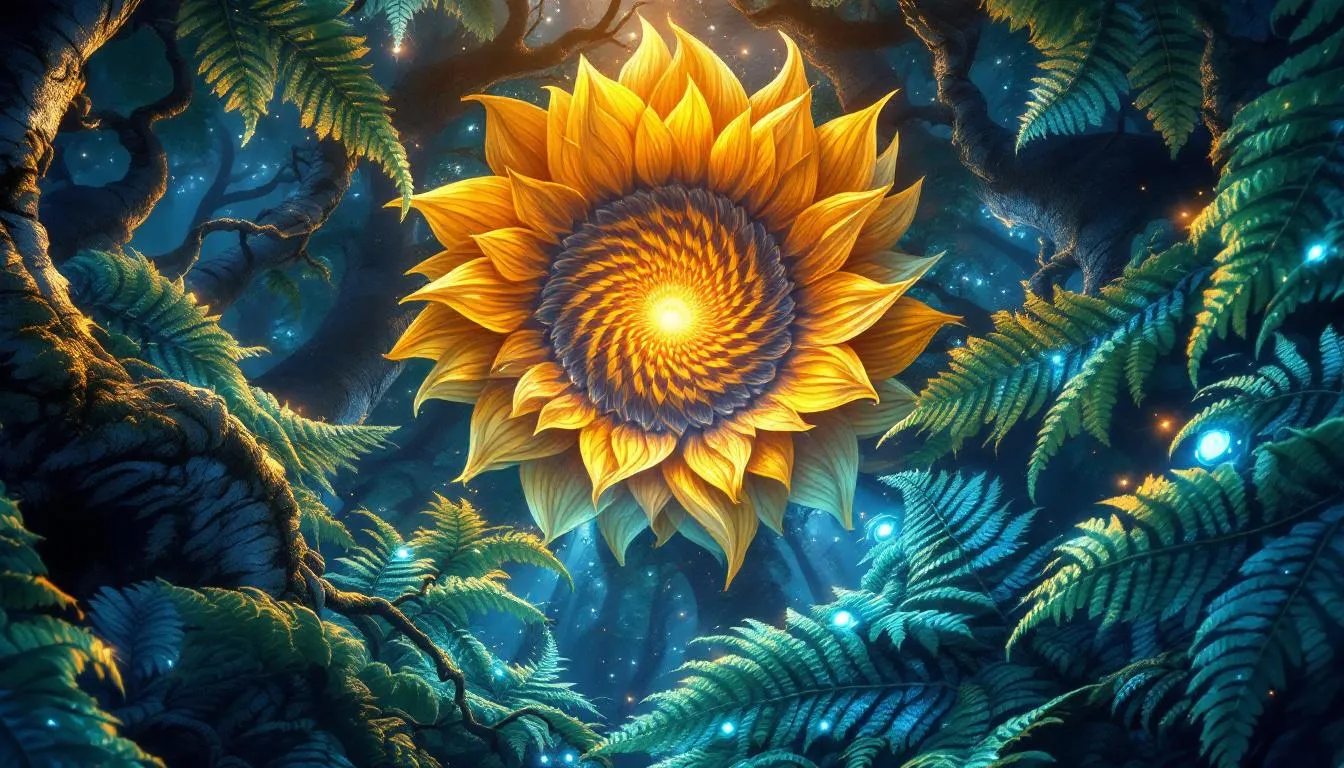
Incorporating fractals into kids’ book cover design begins with selecting patterns that captivate young readers without overwhelming them. Bright, spiraling fractals, like those in sunflowers, are incredibly appealing. They provide a sense of movement and energy, making a book irresistible to kids.
Complexity matters, too. For younger children, simpler fractals like the repeated curves of a snail shell or tree branches are ideal. They’re easy to grasp and introduce the wonders of nature’s patterns gently. Older kids might appreciate intricate designs, such as the detailed geometry of a close-up fern leaf.
Aligning patterns with the book’s themes is crucial. A story about ocean adventures might feature fractals reminiscent of waves or seashells, while a book on space exploration could use starburst patterns or galaxy-like spirals. This thematic coherence enhances the cover’s visual appeal and offers a glimpse into the book’s adventures. For instance, imagine a personalized storybook where your child is the hero, making the connection to the story even stronger. KidTeller creates a personalized storybook where your child is the hero. Just upload a photo, and we’ll generate a custom book filled with adventures made especially for your toddler or young child – magical, memorable, and uniquely theirs.
Color and contrast add magic. Vivid colors can make fractal designs pop, catching the eye of both children and their parents. Color theory is helpful here—pairing complementary colors like blue and orange or using analogous colors such as yellow and green creates harmony and excitement. When I designed a cover for my child’s birthday party invitations, bold blues and yellows drew everyone’s attention instantly.
As you embark on your book cover design journey, consider key design elements that enhance creativity and effectiveness.
What Are the Design Elements to Consider?
Creating a kids’ book cover featuring fractals and nature patterns involves more than just a pretty design; it’s about balancing elements to ensure the cover is attractive, meaningful, and cohesive with the story. Here’s how to achieve that:
Typography and Layout:
- The text arrangement can make or break the cover’s appeal. Titles and author names must be legible and not lost in the patterns. Think of it as a treasure map; the patterns are the landscape, but the text is the ‘X’ marking the spot.
- **Balancing Text with Patterns:** Fractal designs can be busy, so balancing them with clean, simple typography is crucial. Patterns should enhance, not overshadow, the text. Picture the cover as a well-choreographed dance where both elements harmonize.
- **Font Choices that Complement Fractal Designs:** Choose fonts echoing the organic feel of the patterns. A whimsical, rounded font might pair beautifully with the curves of a snail shell fractal, while an angular font could mimic the sharp edges of a crystalline snowflake.
Cohesion with Book Content:
- The cover should preview the adventure within. If the story involves a forest journey, using fractals mimicking tree branches can seamlessly tie the cover to the narrative.
- **Ensuring Cover Aligns with Story and Educational Themes:** For educational books, like those teaching about marine life, incorporating seashell fractals subtly hints at the learning journey.
- **Integrating Character Elements with Nature Patterns:** If a character features in your book, weave them into the design. Perhaps they peer through sunflower spirals or play amidst tree branches. This not only brings the story to life but also makes the cover more relatable to young readers.
When I designed a cover for a children’s book about forest adventures, tree branch fractals framed the title, creating a sense of being enveloped in nature. The font mimicked leaf curves, and vibrant green and earthy tones hinted at the book’s theme.
Evaluating and refining the design ensures our book covers resonate with young readers. Let’s explore how to test these creative concepts effectively.
How to Test Your Book Cover Design?
Testing your book cover design is crucial to ensure it resonates with your target audience—those fractals and patterns should leap off the shelf into young hands! Start by gathering feedback, akin to hosting a mini art show where your audience is the judge. In my experience, candid insights from kids and their parents are invaluable; they will be engaging with the book.
Focus groups are excellent for this purpose. Imagine a room filled with kids and parents, each offering honest opinions about different cover designs. These sessions reveal which elements capture their attention and which might be too busy or confusing. I once participated in a focus group where a little girl noted that the colors on a cover were “too sleepy” for an adventure book. Kids are surprisingly perceptive!
An iterative design process is key. Taking feedback and making adjustments, then testing again, is like tuning a piano—small tweaks can harmonize the final product.
A/B testing is another powerful tool. Present different versions of a cover to a broader audience to analyze which design garners more interest. This can be done through online surveys or by displaying covers in a bookstore setting to observe reactions.
Analyzing engagement and preference is like detective work. It involves identifying which design sparks the most excitement and curiosity. With this data, you’re better equipped to make informed decisions about the final design.
Keep these strategies in mind as you refine your book cover, ensuring it captures young readers’ imaginations.
Key Takeaways
- Fractals and natural patterns enrich children’s book covers, sparking curiosity and engagement.
- Balance is key: ensure the design is visually appealing while supporting the book’s educational themes.
- Gather feedback from kids and parents to refine designs, making them more appealing to the target audience.
- Use iterative testing to fine-tune cover designs, incorporating feedback for better results.
Embrace the magic of nature’s patterns and let them guide your creative journey. With each design choice, you’re paving the way for young imaginations to soar.