Table of Contents
Quick Answer
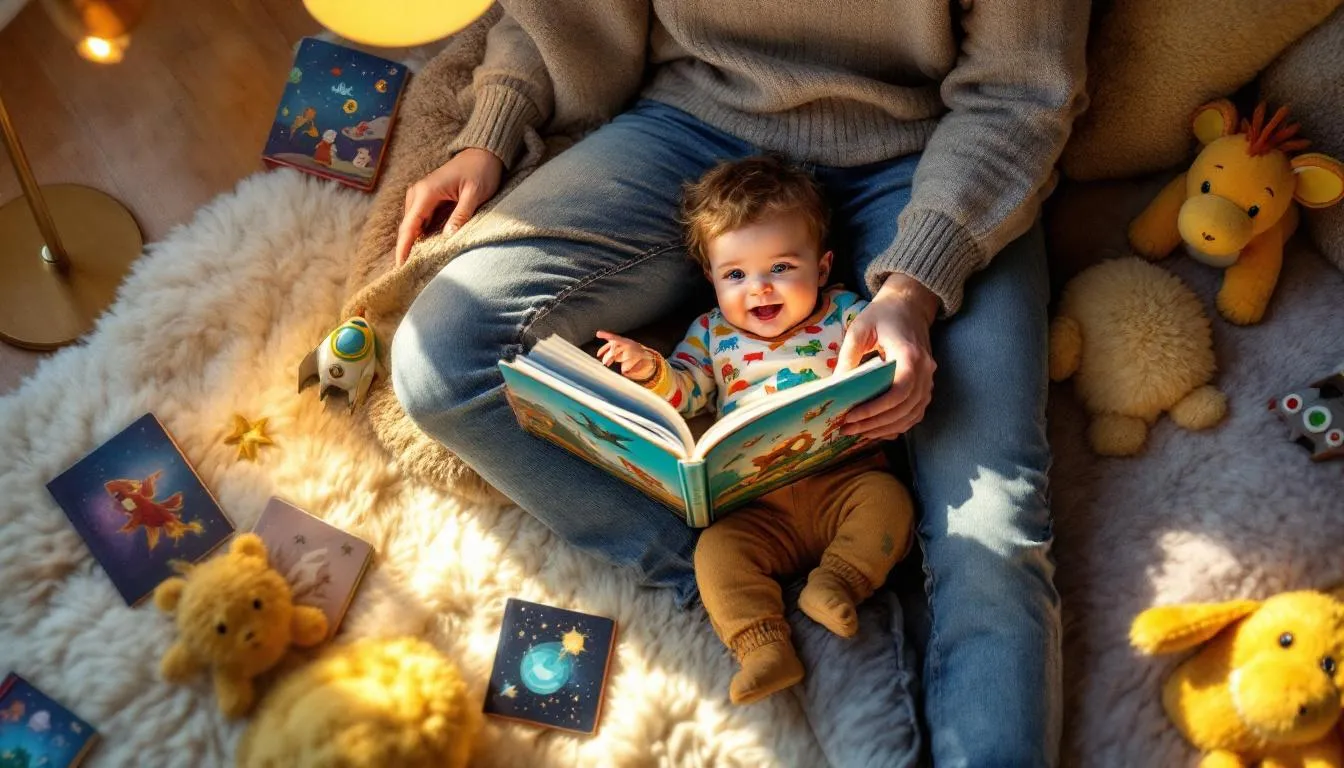
Reading together is a delightful activity where parents and children share stories, emotions, and sometimes giggles. It’s a time when you both dive into magical worlds or thrilling adventures from the comfort of your cozy reading nook. Reading together strengthens the parent-child bond by fostering shared experiences and sparking meaningful discussions. These moments create a special connection that is both unique and long-lasting.
What Makes Reading Together Special?
There’s something truly magical about gathering with your child and delving into a story. These shared experiences weave your hearts closer, creating emotional connections that are hard to replicate. Imagine the excitement you both feel as the hero overcomes obstacles or the suspense that grips you when a mystery is about to unravel. These shared emotions foster memories that last a lifetime.
When my daughter and I read about a curious caterpillar turning into a butterfly, her eyes widened with wonder. She asked questions, sparking discussions about nature, growth, and change. This is where reading together shines—it encourages curiosity and critical thinking, allowing children to explore new ideas. It’s a mini-adventure every time you open a book.
Laughter, suspense, and joy are powerful bonding ingredients. Whether giggling over a funny character or holding your breath during a tense scene, these shared emotions create delightful connections. I remember reading a particularly silly story with my son that had us in stitches, and for days afterward, we’d chuckle about our favorite parts.
Books also introduce children to diverse perspectives, helping them develop empathy and understanding. As they read about characters from different walks of life, they learn to put themselves in others’ shoes, nurturing open-minded and empathetic individuals. The impact of reading on empathy and critical thinking becomes even more evident as we explore further.
How Can Reading Foster Empathy and Critical Thinking?
Reading with our children offers a chance to dive into characters’ minds and untangle stories. When I read with my little ones, I pause to discuss characters and plots. These discussions explore not just the storyline but also characters’ motivations and actions. For instance, while reading “Charlotte’s Web,” we talked about why Charlotte was so kind to Wilbur and what it means to be a true friend.
Encouraging children to ask questions and think critically transforms reading from a passive activity into an engaging dialogue. It’s like opening a treasure chest of “whys” and “hows,” sparking curiosity and nurturing analytical skills.
Through literature, children learn to see the world through different lenses. This is especially true when stories introduce them to various cultures and viewpoints. Reading a book about a young boy in Japan with my son led to fascinating conversations about Japanese culture, traditions, and even trying our hand at making sushi! These narratives build empathy, as children learn to understand experiences different from their own.
Now, let’s explore some practical tips and tricks to make reading moments even more magical and meaningful.
What Are the Best Practices for Reading Together?
Selecting the right book is crucial when reading together. Choosing age-appropriate and engaging books is a great starting point. For the little ones, picture books with bright images and simple language captivate their attention. As they grow, transitioning to chapter books with complex plots keeps them intrigued. I remember introducing a series of adventure books to my son when he was in elementary school; it was like handing him a passport to a world of imagination.
Here are a few tips for selecting the perfect books:
- Choose books that match your child’s interests: If they’re fascinated by dinosaurs, find a series about prehistoric adventures.
- Look for series that grow with your child: A series builds excitement and provides continuity in your reading routine.
- Revisit favorite stories: There’s magic in reading beloved tales repeatedly. Familiarity breeds comfort and deeper understanding.
- Consider personalized storybooks: For a truly unique experience, explore services like KidTeller. KidTeller creates a personalized storybook where your child is the hero. Just upload a photo, and we’ll generate a custom book filled with adventures made especially for your toddler or young child – magical, memorable, and uniquely theirs. This adds an extra layer of engagement by making your child central to the narrative.
Creating a conducive reading environment is key. A cozy nook with good lighting and comfortable seating transforms reading time into a cherished ritual. Adding fun character pillows or a soft blanket makes it even more inviting.
Consistency is important too. Setting a regular reading schedule, like bedtime stories or weekend book club afternoons, establishes a routine that you and your child can look forward to. Remember, reading should be interactive and fun. Use different voices for characters, ask open-ended questions, and encourage predictions about what might happen next. This enhances comprehension and engagement.
With these practices, reading together becomes a treasured activity that deepens your connection. Let’s explore how these shared moments influence your relationship in the long run, weaving lasting memories and emotional ties.
How Does Reading Impact Long-Term Parent-Child Relationships?
Reading together profoundly impacts long-term parent-child relationships. One of the most rewarding aspects is how it strengthens communication skills. As you read and discuss stories, you create a platform for open dialogue, teaching your child to express their thoughts and feelings. I cherish when my son pauses our reading to share his interpretation of a character’s actions, honing his ability to articulate complex ideas.
Enhancing vocabulary and expression is another gift of reading together. Books introduce children to new words and phrases, broadening their language skills. I remember my daughter excitedly using the word “enormous” after reading about a giant in her storybook. These rich language experiences empower children to express themselves more clearly and confidently.
Listening and conversational abilities also bloom during shared reading sessions. By listening to stories, children learn to pay attention and process information, crucial for effective communication. Engaging in discussions about plots or characters helps them practice active listening and conversational skills in a fun way.
Cultivating a lifelong love for reading is perhaps one of the greatest legacies of reading together. Witnessing my children’s joy as they eagerly anticipate the next chapter reminds me of how these moments instill a passion for books. Encouraging independent reading naturally follows, as children become more curious and confident in exploring stories.
Sharing book recommendations as your child grows is a delightful way to stay connected. As my son matured, we transitioned from picture books to exciting fantasy series, keeping our reading journey vibrant. This shared interest in literature ensures our bond remains strong, nurturing our relationship through each life stage.
In the next section, I’ll summarize these insights and explore actionable steps to create meaningful reading experiences with your child.
Key Takeaways
- Reading together creates lasting emotional and intellectual bonds through shared stories and discussions.
- Engaging with diverse characters and plots enhances children’s empathy and critical thinking skills, nurturing a compassionate outlook.
- Establishing consistent reading routines strengthens long-term relationships and fosters a lifelong love for books.
Embrace the joy of shared reading moments, and watch as they weave a tapestry of connection, understanding, and growth in your family life. Happy reading adventures await! 📚✨