Table of Contents
Quick Answer
Whimsical children’s books are delightfully imaginative, filled with unique characters that often stretch the boundaries of reality. These characters captivate young minds through their vibrant personalities and adventures, making reading an enchanting experience. The rise in popularity of whimsical books is largely due to their power to engage and entertain, fostering a love for storytelling in young readers. Whimsical characters are becoming a beloved staple in children’s literature because they spark creativity and joy.
Understanding what makes these characters so enchanting is key to appreciating their impact on young readers.
What Defines Whimsical Characters in Children’s Books?
Whimsical characters in children’s books are like little sparks of magic, dancing across the pages and inviting readers into a world where anything is possible. At their core, these characters embody a delightful blend of imagination and eccentricity, often existing in settings that defy the ordinary. Think of whimsicality as the secret ingredient that makes stories feel like an exciting adventure rather than just a series of events.
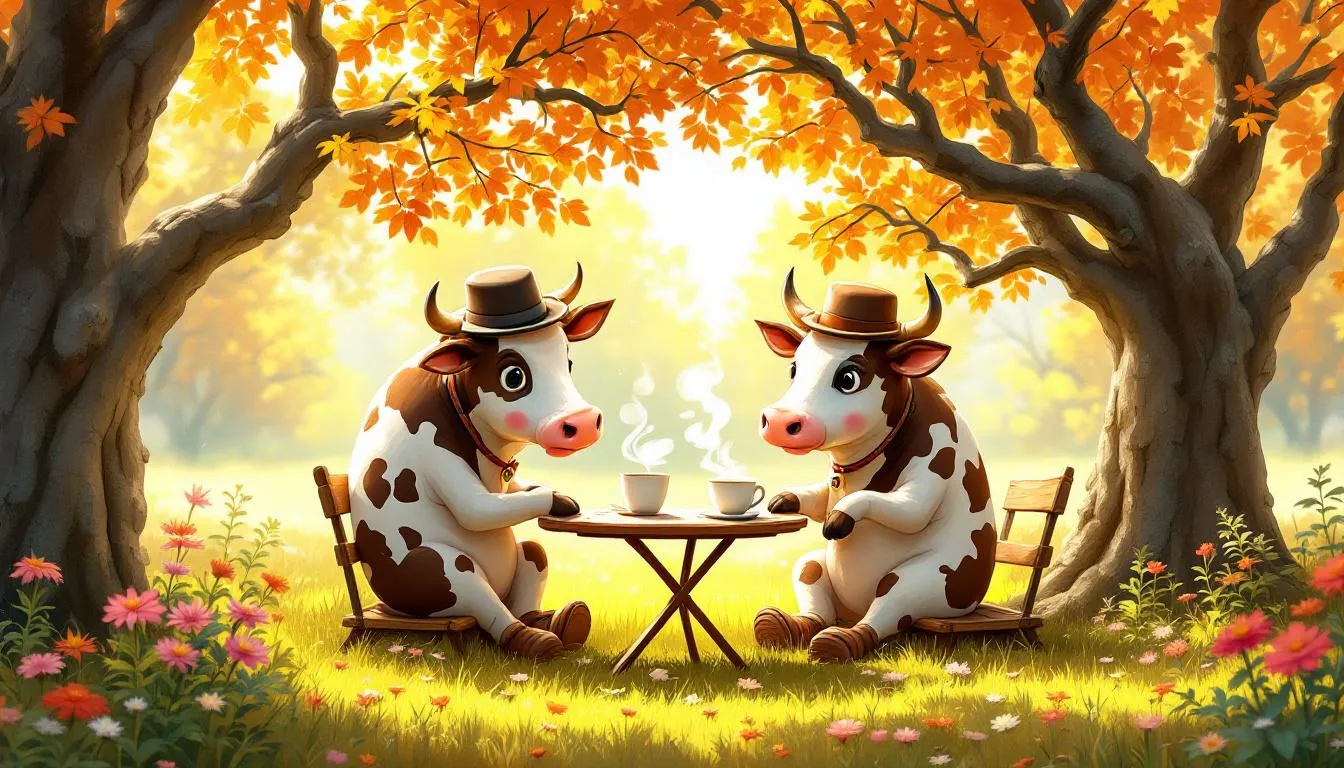
To paint a picture, imagine a land where cows sip coffee at tiny tables, discussing the weather with a proper English accent. These “Coffee Cows,” as I like to call them, are the epitome of whimsical characters. They don’t just graze in fields; they have tea parties, wear bowler hats, and occasionally break into song. The unexpected nature of these characters keeps children intrigued and eager to turn the page, curious about what eccentric delight might come next.
I remember crafting a bedtime story for my children about a bear who only wore pajamas. This bear, named Sir Snooze-a-lot, lived in a world where pajama parties were the norm, and everyone spoke in rhymes. My kids loved the silliness of it all, and it taught them that creativity has no bounds.
Whimsical characters invite children to question the world and think outside the box. They challenge conventional norms, and in doing so, they open up a realm of possibilities for young minds. This imaginative leap is more than just a fun escape; it plays a crucial role in nurturing cognitive and emotional growth.
How Do Whimsical Characters Benefit Children’s Development?
Exploring the world of whimsical characters is like opening a door to endless possibilities for a child’s mind. Encouraging creativity and imagination is one of the core benefits these characters offer. When children encounter a character like a flying elephant who’s best friends with a talking tree, their minds are invited to stretch and explore new ideas. This kind of imaginative play is crucial for developing problem-solving skills and the ability to think outside the box.
I remember reading a story to my kids about a penguin who could paint with his feet. My daughter was so inspired that she spent the next week creating her own artworks using only her toes. It was messy but fun, and it showcased how these stories can ignite a creative spark that might otherwise remain dormant.
From a cognitive and emotional standpoint, whimsical characters are like personal trainers for the brain. They help children develop empathy by allowing them to see the world from different perspectives. When a child reads about a dragon who feels left out because he can’t breathe fire, it encourages them to relate to others who might feel different or isolated.
Additionally, these characters often face challenges and adversities, teaching resilience and perseverance. Children learn that it’s okay to fail and try again, much like how a clumsy wizard might need several attempts to perfect a spell.
Moving forward, it’s fascinating to see how this love for whimsy doesn’t just stop with the kids. It influences the choices of parents and educators, who are increasingly drawn to these enchanting tales for very specific reasons.
Why Are Parents and Educators Embracing Whimsical Books?
When parents and educators choose books for children, whimsical stories often top the list because they offer more than just entertainment. These tales weave innovative storytelling with an educational component that’s hard to resist.
First, let’s discuss the appeal of innovative storytelling. Whimsical books often utilize a narrative style that keeps both kids and adults engaged. They break away from traditional storytelling formats and invite readers into worlds filled with unexpected twists and turns. Remember the classic “Alice in Wonderland”? It’s a prime example of a story that takes readers on a journey through bizarre yet fascinating landscapes, where logic takes a backseat to creativity. This kind of storytelling captures the imaginations of children, helping them to see the world in new, exciting ways.
From an educational perspective, whimsical books are a treasure trove. They’re not just about giggles and grins; they also offer real educational value. Many whimsical stories come packed with subtle lessons in vocabulary, moral themes, and even cultural awareness. For instance, a book featuring a multilingual cat who travels the world can introduce children to new languages and cultures while keeping them entertained.
Moreover, educators find that whimsical books score high on engagement metrics. Kids are more likely to pick up and stick with a book that makes them laugh or think in unexpected ways. When I read “The Gruffalo” to a classroom full of kindergartners, the room was filled with giggles and gasps. And, not surprisingly, their comprehension and retention of the story were impressive.
As we turn the page to explore some of the beloved whimsical books and characters, think about the ones that have danced their way into your heart. These characters often leave a lasting impression, not just on the children who adore them, but on the adults who cherish these imaginative tales.
What Are Some Popular Whimsical Books and Characters?
When it comes to whimsical children’s books, there are some delightful titles that have captured the hearts of both young readers and adults alike. These books are brimming with imaginative worlds and quirky characters that seem to leap off the pages.
Here’s a list of some recent popular whimsical children’s books:
- “The Day the Crayons Quit” by Drew Daywalt – This book introduces us to a box of crayons with very strong opinions about their roles in the coloring box. Each crayon airs its grievances in hilarious letters to their owner, Duncan. From the overworked blue crayon to the naked peach crayon, these characters bring humor and personality to the simple act of coloring.
- “Dragons Love Tacos” by Adam Rubin – In this tale, we meet dragons with an insatiable love for tacos, but there’s a catch—they can’t stand spicy salsa. The book is a riot of colors and silliness, as the dragons’ love for tacos leads to a spicy disaster.
- “The Gruffalo” by Julia Donaldson – A clever mouse takes a walk through the woods and invents tales of a fearsome creature, the Gruffalo, to scare off predators. Little does he know, the Gruffalo is real, leading to an unexpectedly whimsical twist.
- “Room on the Broom” by Julia Donaldson – This story follows a kind witch and her cat who make room for a dog, a bird, and a frog on their broomstick. It’s a charming tale of friendship and cooperation against the backdrop of a whimsical adventure.
These books showcase standout characters that are not only memorable but also serve as excellent catalysts for engaging storytelling. The crayons with their quirky complaints or the dragons with their taco obsession leave lasting impressions and bring smiles to faces young and old.
As whimsical characters and narratives continue to charm audiences, the children’s book market is bustling with adaptations and innovations to keep up with this enchanting trend. This trend towards whimsy is not just shaping what stories are told, but also how they’re delivered to eager young readers.
How Has the Children’s Book Market Adapted to This Trend?
The rise of whimsical characters in children’s literature has been mirrored by notable shifts in the publishing landscape. Publishers have eagerly embraced this trend, recognizing the universal appeal these characters hold for both children and adults. The market has seen a surge in demand for books that feature imaginative narratives and quirky characters, leading to significant growth in the children’s book sector. Publishing houses are increasingly investing in fresh talent and diverse voices, eager to discover the next Dr. Seuss or Roald Dahl. This has resulted in a broader selection of captivating stories that push the boundaries of creativity.
Digital platforms and social media have also played a pivotal role in adapting to this whimsical trend. E-books and interactive apps offer children engaging experiences, bringing these delightful characters to life through animations and sound effects. Social media platforms are buzzing with parents and educators sharing their favorite whimsical reads, often accompanied by adorable photos of children enthralled in their storytime adventures. This has created a vibrant community where books are not just read but celebrated, and recommendations spread like wildfire.
The accessibility of these platforms means that children from all corners of the world can discover and enjoy whimsical stories, broadening their horizons and enriching their imaginations. This digital transformation has not only amplified the reach of whimsical tales but has also made them more interactive and appealing to the tech-savvy younger generation.
As we look forward to the next chapter, it’s clear that the rise of whimsical characters is more than just a fleeting trend.
Key Takeaways
- Whimsical characters ignite creativity and nurture problem-solving skills in children by presenting imaginative worlds and quirky scenarios.
- Parents and educators are increasingly drawn to whimsical books for their engaging storytelling and hidden educational value.
- The children’s book market is rich with an array of whimsical titles, ensuring diverse and captivating options for young readers.
- Interactive digital platforms enhance the whimsical reading experience, making stories more accessible and engaging for tech-savvy kids.
Embrace the magic of whimsical characters to inspire a lifelong love for reading in your child!