Table of Contents
Quick Answer
Library boards have recently become battlegrounds over the presence of LGBTQ+ books, with disputes highlighting tensions between freedom of information and community values. These conflicts raise questions about decision-making processes in libraries and who holds the power to make those decisions.
What Is Happening with Library Boards?
Library boards nationwide are experiencing dismissals linked to intense debates over LGBTQ+ books. Traditionally quiet champions of knowledge and inclusivity, these boards now find themselves at the heart of cultural clashes. The controversy typically ignites when LGBTQ+ themed books appear on library shelves, sparking varied opinions on public access.
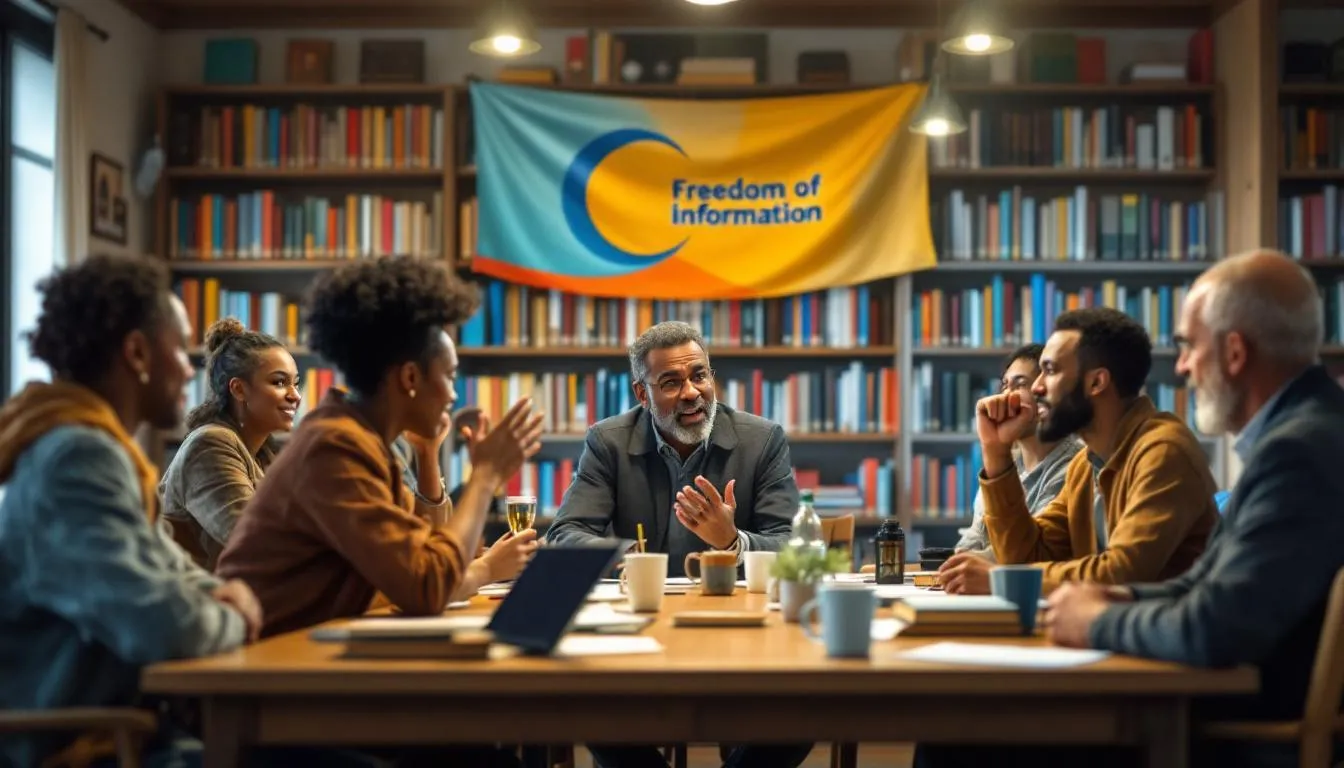
Take, for instance, a recent incident in North Carolina, where a library board faced upheaval over a book about a transgender child. Intended to educate and foster understanding, this book became a flashpoint. Community meetings turned tense, with passionate arguments on both sides. Advocates for the book argued it was vital for representing and supporting transgender youth, while others deemed it inappropriate for the library’s audience. The pressure ultimately led to significant changes in the board’s composition.
These board dismissals are more than administrative reshuffles; they reflect deeper societal tensions about the control of public information. Libraries, as gateways to knowledge and understanding, are at the forefront of this ongoing saga, which delves into the core of cultural and informational access in society.
Why Are LGBTQ+ Books Controversial?
The controversies surrounding LGBTQ+ books often stem from deeply rooted societal and political influences. Supporters argue these books are essential for representation and inclusivity, offering insights into diverse experiences that foster empathy and understanding. As a parent, I’ve seen how stories featuring diverse characters can spark meaningful conversations and broaden perspectives. For engaging and personalized stories that reflect diverse experiences, consider resources like Dolly Parton’s Imagination Library, which mails free, high-quality books to children.
Conversely, some individuals and groups view these books differently, particularly when they involve themes of sexual orientation and gender identity. They worry such topics might challenge their personal or cultural values. For example, communities with a strong emphasis on traditional family structures can resist literature presenting alternatives.
Political dynamics also fuel this controversy. In recent years, movements have emerged to restrict access to certain materials, claiming to protect children. These movements often gain traction in areas where political leaders share similar views, creating pressure on library boards to remove or limit LGBTQ+ content.
This debate extends beyond books to the broader dialogue about access to information and whose stories are considered worthy. It’s a conversation that touches on fundamental issues of freedom of information, setting the stage for our next discussion.
How Does This Affect Freedom of Information?
The issue of library boards being ousted over LGBTQ+ books touches upon an age-old debate: censorship versus freedom of information. Removing or restricting a book signals censorship, a concept that feels distant until it impacts us directly. Imagine visiting a library with your kids, expecting a treasure trove of diverse stories, only to find certain books missing because they were deemed inappropriate by a vocal minority. This reality affects many communities today.
Censorship limits access not just to specific books but also sends a message about whose stories are valued. Public libraries should be inclusive spaces where all voices are heard. Diverse literature is crucial because it reflects a world rich in varied experiences and identities. I recall reading a book with my daughter about a child with two dads, and the eye-opening conversation it sparked was about understanding and empathy.
The presence of LGBTQ+ books in libraries is more than representation; it affirms the library’s role as a champion of diverse ideas and experiences. By limiting access, we risk creating echo chambers that fail to prepare our children for a diverse world. For foundational learning and engaging content, free educational platforms like Starfall and Khan Academy Kids offer structured, interactive lessons that promote early literacy and broader educational development.
Considering these complexities, it’s essential to recognize that unresolved debates have repercussions beyond library shelves, influencing community interactions and functioning. Libraries are pillars of our communities, and decisions made within their walls resonate throughout society.
What Are the Broader Implications?
When library boards are ousted over LGBTQ+ book inclusion, the repercussions ripple across educational and community landscapes. Libraries are not just book repositories; they are educational hubs where people of all ages gather to learn, engage, and grow. Removing or restricting LGBTQ+ books can stifle this environment, potentially narrowing young readers’ worldviews.
Imagine a classroom devoid of diverse stories. Students lack opportunities to see themselves or step into others’ shoes, hindering empathy development and social understanding. Books introduce children to concepts and experiences beyond their immediate world, sparking curiosity and dialogue. For truly personalized stories where your child is the hero, KidTeller creates a personalized storybook where your child is the hero. Just upload a photo, and we’ll generate a custom book filled with adventures made especially for your toddler or young child – magical, memorable, and uniquely theirs. Without this exposure, we risk raising a generation less prepared for a diverse society.
Libraries also promote inclusivity. As truly public spaces, they offer a platform for all voices. By ensuring a wide range of books, libraries uphold the principle that every story matters, fostering a sense of belonging and community. For screen-free creative play, explore printable worksheets from The Measured Mom, or for digital creative play, Toca Boca Apps are fantastic.
The broader implications of library board upheavals extend into how communities perceive themselves and their values. Today’s decisions shape tomorrow’s cultural fabric. As tensions ebb and flow, communities are responding in varied and sometimes surprising ways.
How Are Communities Responding?
In response to library board upheavals over LGBTQ+ books, communities are showing remarkable resilience. Many rally to support their library boards, advocating for diverse book inclusion. It’s heartening to see residents unite, defending libraries as safe havens for information and diversity.
Consider a small town in Illinois, where a group of parents and teachers organized a “Read-In” at their local library. They invited community members to read passages from LGBTQ+ books, transforming a divisive issue into a celebration of diversity and inclusion. The event drew a large crowd, with readers of all ages participating, showcasing unity and the power of community action. To help establish positive reading habits, insights from a parenting blog post like Reading Routines for Kids (Read Brightly) can be very helpful.
Advocacy groups, like the American Library Association, provide resources and support to libraries facing censorship challenges, offering guidance on navigating these turbulent waters. Local advocacy groups mobilize residents to attend board meetings, write to local officials, and participate in public discussions. For parents seeking expert resources on early literacy and child development, Zero to Three Early Literacy Resources offers insightful articles and strategies.
These collective efforts underscore the community’s role in shaping the future of our libraries. By taking a stand, individuals and groups not only protect access to LGBTQ+ books but also preserve foundational values of inclusivity and freedom of information.
These community-driven responses highlight the importance of staying informed and engaged, a topic we’ll explore further in the next section. For educational and engaging content for children, consider channels like the National Geographic Kids YouTube Channel for science and nature, or Cosmic Kids Yoga YouTube Channel for active screen time. For introducing coding and storytelling, Scratch Jr. is an amazing tool, and for younger children learning Spanish, PBS Kids Spanish Games offer interactive learning.
Key Takeaways
- Library boards face challenges over LGBTQ+ book inclusion, highlighting cultural and informational tensions.
- Diverse literary representation fosters empathy, understanding, and prepares children for a diverse world.
- Community involvement in library governance is crucial to protect freedom of information and uphold inclusive values.
- Get involved by attending library meetings, supporting diverse book events, and advocating for inclusive policies.
Remember, every story matters. By standing together, we can ensure libraries remain spaces of knowledge, acceptance, and growth for all.